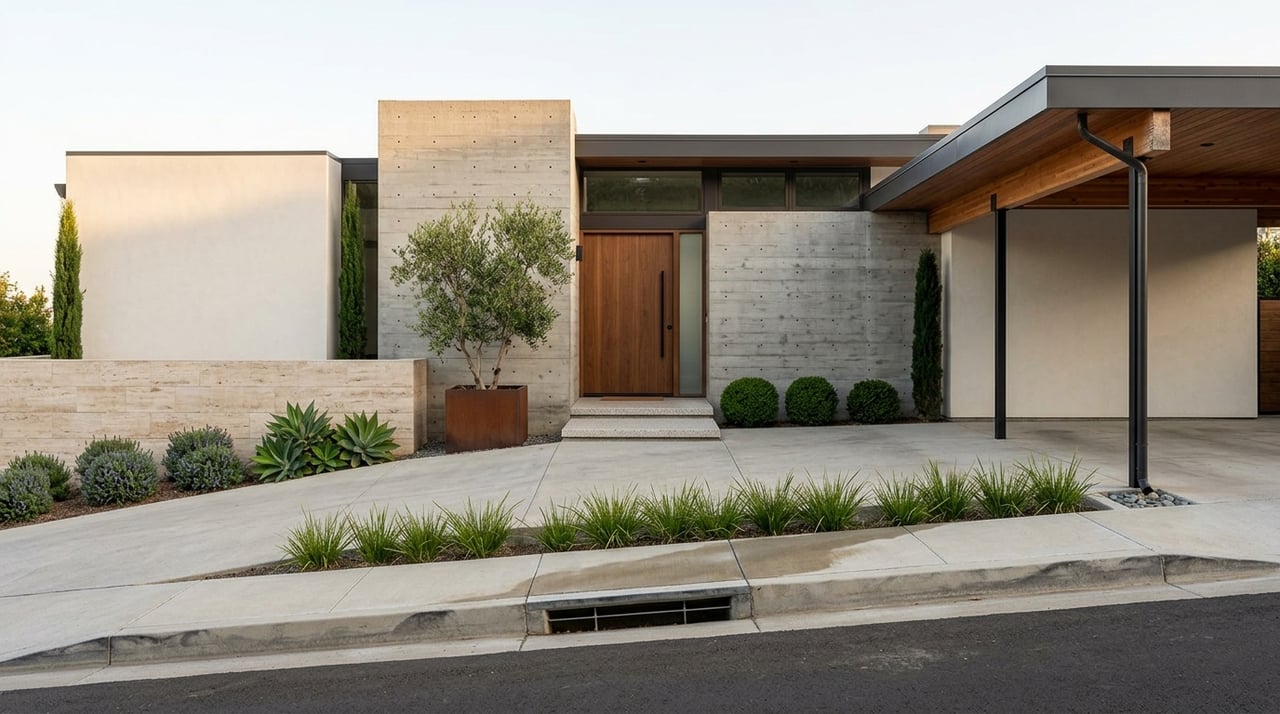
If you are drawn to a mid-century home in the Hollywood Hills, you are probably buying more than a floor plan. You are buying architecture shaped by the slope, the views, and the way Los Angeles hillside living evolved over time. That can be exciting, but it also means your smartest questions will go far beyond finishes and staging. In this guide, you will learn what makes these homes unique, where buyers need to look more closely, and how to balance character, cost, and long-term value. Let’s dive in.
Why Hollywood Hills mid-century homes stand out
Mid-century homes in the Hollywood Hills are often true hillside houses, not flat-lot homes adapted to look modern. In Los Angeles, many were designed with living spaces above bedrooms to capture views, along with stepped foundations, cantilevers, exposed beams, stilt-like columns, and large expanses of glass.
You will also see post-and-beam construction, split-level layouts, low-pitched or flat roofs, patios, decks, and open carports. These features are not just style choices. They are often central to how the home meets the terrain.
That is why the site matters as much as the structure. In hillside areas, narrow and winding streets, limited sidewalks, drainage patterns, parking access, and construction logistics can all affect how practical a home is to own and improve.
What makes the site part of the purchase
In the Hollywood Hills, the slope is not just background scenery. City hillside guidance shows that these homes were meant to adapt to the terrain instead of forcing the terrain to adapt to the house.
For you as a buyer, that changes the due diligence process. A stunning deck, dramatic glass walls, or a split-level plan may be part of the home’s appeal, but the real test is how well the structure, drainage, and access work together.
When you tour a property, pay attention to more than design. Look at driveway grade, street access, parking ease, retaining conditions, water flow paths, and how the home sits on the lot.
Key mid-century features to protect
Many buyers want to modernize these homes, but the best results usually preserve the elements that define the architecture. In the Hollywood Hills, that often includes:
- Exposed structure or post-and-beam character
- Large glass openings and floor-to-ceiling windows
- Split-level or inverted floor plans
- Low rooflines
- Decks, terraces, and patios
- Open indoor-outdoor circulation
- The home’s visual relationship to the slope
If you remove too many of those features, you can end up with a generic remodel that loses the very character that made the property valuable in the first place.
Inspection priorities for hillside mid-century homes
A standard home inspection is important, but it should not be the end of your review. In this part of Los Angeles, hidden conditions often drive the real cost of ownership.
Check foundation, slope, and drainage
Hillside properties deserve close attention to foundation behavior, site drainage, and any signs of slope movement. Los Angeles Department of Building and Safety notes that grading permits are required for many types of hillside work, including slope repairs, landslide work, substantial cut-and-fill activity, certain retaining-wall related work, and basement or pool excavation in hillside areas.
That matters because repairs can become more complex than buyers expect. What looks like a cosmetic exterior issue may involve engineering, permitting, and site work.
Review seismic vulnerability
Older homes may have seismic weaknesses, especially if they lack a continuous perimeter foundation. The California Earthquake Authority advises that homes without one can shift or collapse in an earthquake, and hillside houses may have specific vulnerabilities.
If you are considering an older mid-century property, ask early whether seismic retrofit work may be needed. This is one of the most important cost and safety questions you can address before closing.
Test for lead and asbestos risks
Many mid-century homes predate current material safety standards. Homes built before 1978 are more likely to contain lead-based paint, and renovation work like sanding, cutting, or window replacement can create hazardous lead dust.
Asbestos is another concern because it cannot be identified by sight alone. If remodeling may disturb suspect materials, they should be sampled by a trained and accredited asbestos professional before work begins.
Fire risk and insurance need early attention
Wildfire risk is part of the buying conversation in many hillside communities in Los Angeles. LAFD states that many of these communities face continuous wildfire threat, which means fire hardening and defensible space are not optional topics.
Know the fire-hardening basics
LAFD recommends steps such as:
- Keeping roofs and gutters clear
- Replacing loose or missing shingles or tiles
- Covering attic and soffit vents with 1/8-inch or smaller metal mesh
- Using fire-resistant roof materials
- Repairing windows with tempered or double-paned glass
- Screening decks and porches
- Maintaining a 3 to 5 foot fuel-free buffer
- Maintaining vegetation clearance within 30 feet of the home
These items affect both safety and ownership costs. If a property needs several of these upgrades, that should factor into your budget from the start.
Verify fire-zone disclosures
California AB 38 requires specific disclosures for residential property in the Very High Fire Hazard Severity Zone using the Fire Hardening and Defensible Space Advisory, Disclosure, and Addendum. Before you remove contingencies, verify whether the parcel falls within that zone.
This is one of those details that can change your timeline and your planning. It is much better to confirm early than to discover it late in escrow.
Shop insurance before the finish line
Insurance availability should not wait until the last week of the transaction. The California Department of Insurance advises buyers to shop and compare residential insurance products, and notes that the California FAIR Plan may be a last-resort option if coverage is not available in the traditional market.
In a wildfire-prone hillside market like the Hollywood Hills, insurance is part of due diligence. It is not just a closing task.
Budget for hidden costs, not just finishes
One of the biggest mistakes buyers make with mid-century homes is focusing too much on kitchens, baths, and surface updates. In the Hollywood Hills, renovation budgets are often driven more by slope and systems than by cosmetic work.
The larger line items may include:
- Structural engineering
- Drainage improvements
- Retaining wall work
- Seismic retrofit upgrades
- Lead or asbestos testing and remediation
- Insulation and air sealing
- HVAC replacement
- Permit and plan-check time
A home that looks like a bargain on day one can become much more expensive if these items are overlooked.
Plan energy upgrades carefully
Older mid-century homes often have less insulation than homes built today. The U.S. Department of Energy says a qualified home energy assessor can help identify gaps in insulation and air sealing, and that added insulation can reduce energy bills and may pay for itself within a few years.
Heating, cooling, and water heating are also major operating costs. DOE notes that if a heating or cooling system is more than 15 years old, replacement may improve efficiency and lower bills.
If you are replacing a gas heating system with a heat pump, weatherizing the home first is especially important in older houses. That sequence can help the new system perform better.
Preserve original windows when possible
Glass is often one of the defining features of a Hollywood Hills mid-century home. Large windows support the home’s light, views, and horizontal feel, which is a major part of the appeal.
Because of that, replacing original windows should not be your automatic first move. DOE guidance suggests that low-e storm windows can provide similar savings to replacement windows at about one-third of the cost, which can make them a smart option when original glass is worth preserving.
A practical approach is often to repair original windows first, then consider low-e film or storm windows before moving to full replacement. That can improve comfort while protecting the architectural character you are paying for.
Check for historic review before renovating
Not every mid-century home in the Hollywood Hills has historic protections, but some do. If a property is in a Local Historic District or an HPOZ, exterior changes may require additional review.
Los Angeles City Planning says exterior renovations, additions, new construction, landscaping, and even paint can require review in an HPOZ. Buyers should use ZIMAS to verify whether a property is contributing or non-contributing before planning major work.
This step matters because it can affect design choices, approval timelines, and renovation costs. It is always better to confirm the property’s status before you build your budget.
A smart renovation sequence for buyers
If you buy a Hollywood Hills mid-century home, your renovation plan should start with risk and performance before style. That helps you protect both the house and your budget.
A practical sequence often looks like this:
- Verify structure, slope, drainage, and site access.
- Evaluate seismic needs.
- Check fire risk, zone status, and fire-hardening items.
- Test for lead and asbestos if remodeling may disturb older materials.
- Upgrade insulation, air sealing, and major comfort systems.
- Decide how much to spend on kitchens, baths, and finish work.
This order helps you avoid overspending on cosmetics before the fundamentals are under control.
How to buy with more confidence
Buying a mid-century home in the Hollywood Hills takes a sharper lens than buying a typical house. You need to understand not only the design, but also the hillside conditions, structural realities, fire risk, insurance path, and renovation priorities.
That is where practical guidance matters. When you evaluate these properties with equal attention to architecture, site conditions, and upgrade strategy, you are in a much better position to make a confident offer and avoid expensive surprises later.
If you want a practical second opinion on a Hollywood Hills mid-century home, or you need help weighing condition, scope, and likely renovation priorities before you write an offer, reach out to Martin Avalos. His contractor background and client-first approach can help you assess the real opportunity behind the architecture.
FAQs
What should you inspect first when buying a mid-century home in the Hollywood Hills?
- Start with foundation condition, slope stability, drainage, and site access because hillside issues can affect cost and safety more than cosmetic updates.
Why are Hollywood Hills mid-century homes different from other mid-century homes?
- Many were designed specifically for hillside lots, with features like inverted floor plans, post-and-beam construction, large glass walls, decks, and structures that respond to steep terrain.
Do Hollywood Hills hillside homes need special fire disclosures?
- Yes, if the property is in the Very High Fire Hazard Severity Zone, California AB 38 requires specific fire-hardening and defensible-space disclosures during the sale process.
Should you replace original windows in a mid-century Hollywood Hills home?
- Not always. Because original glass often defines the home’s character, repair plus low-e film or storm windows may be a better first step than full replacement.
Can renovations in the Hollywood Hills require extra city review?
- Yes, especially for hillside work involving grading or slope repair, and also for exterior changes if the property is located within an HPOZ or another local historic district.
When should you shop for insurance on a Hollywood Hills home?
- Early in the buying process, because insurance availability in wildfire-prone hillside areas can affect both your timeline and your overall ownership costs.