Trying to choose between Orange County and LA’s Westside for coastal living? That decision often comes down to more than just distance to the beach. You are really choosing between two different day-to-day experiences, and the right fit depends on how you want to live, move around, and use your home. This guide breaks down the practical differences so you can compare both areas with more confidence. Let’s dive in.
Coastal Feel: Village vs Urban
If you picture coastal life as distinct neighborhoods with their own rhythm, Orange County often fits that image better. Newport Beach describes itself as a community of villages, and Laguna Beach leans into a small-town feel with a walkable downtown and seasonal art activity. Dana Point centers much of its daily life around beaches, bluffs, and harbor access.
That creates a coastal experience that feels more village-based than city-block-based. In many parts of coastal Orange County, you move between places that each have a clear identity rather than one long continuous urban strip. For many buyers, that adds a sense of separation between home life, shopping areas, and beach activity.
The Westside offers a different kind of energy. Santa Monica describes itself as a beachside city with residential communities, commercial districts, and recreation, while Venice Beach is a major visitor destination with a boardwalk, vendors, performers, a skate park, and a bike path. Planning documents for Venice and West Los Angeles also place housing near commercial centers and transit corridors.
In practical terms, that means the Westside often feels more urban, mixed-use, and active. If you want your beach environment to connect closely with restaurants, retail, entertainment, and transit, the Westside may feel more natural. If you want more separation and a neighborhood-by-neighborhood pattern, Orange County usually aligns better.
Housing Styles and Neighborhood Pattern
Orange County housing mix
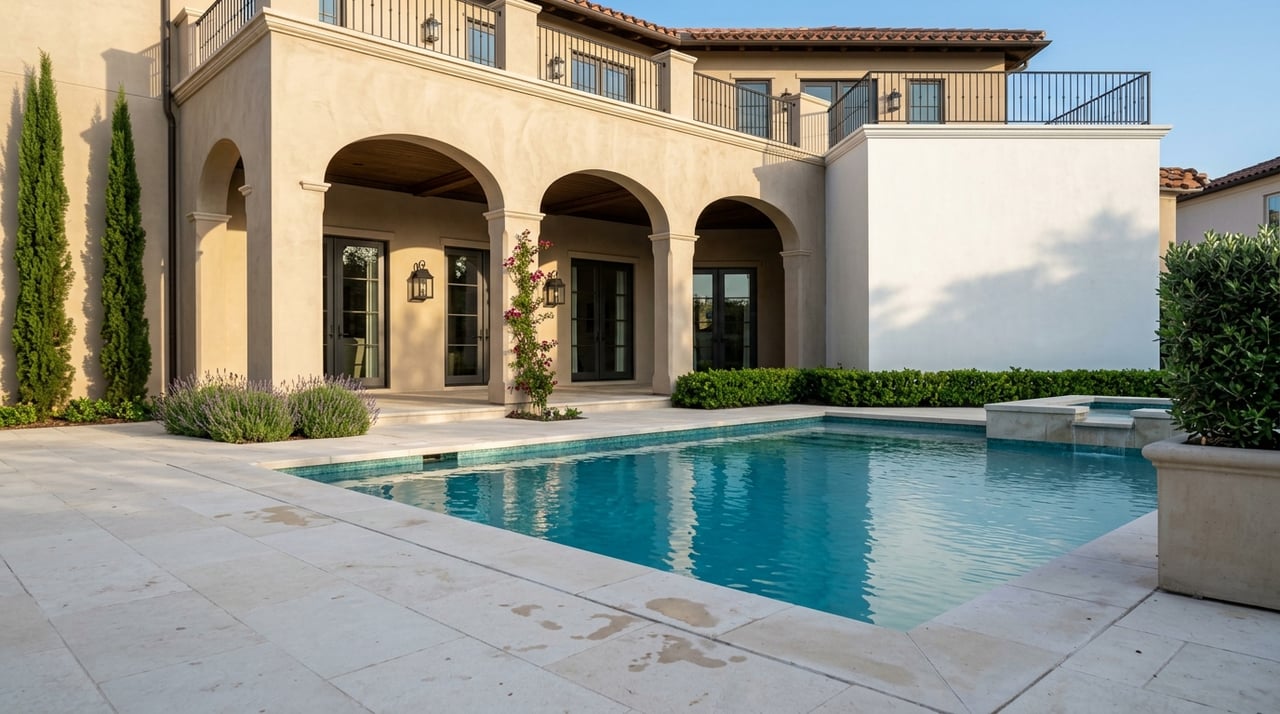
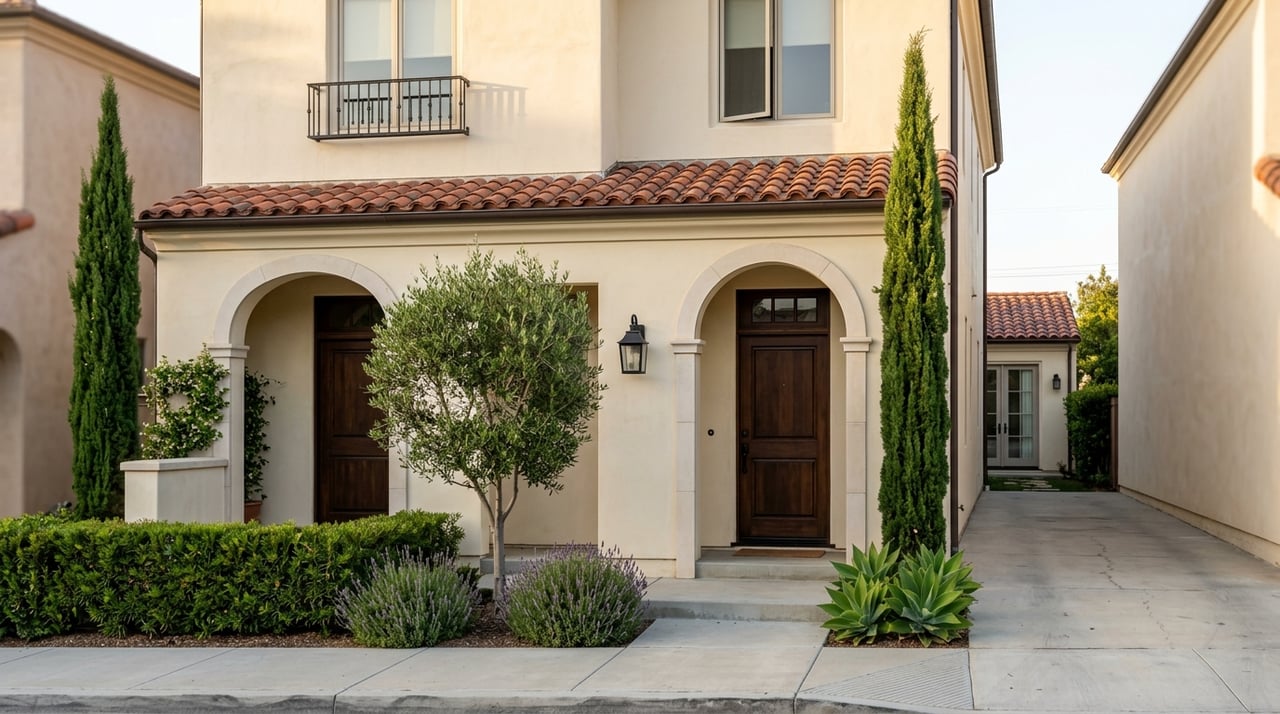
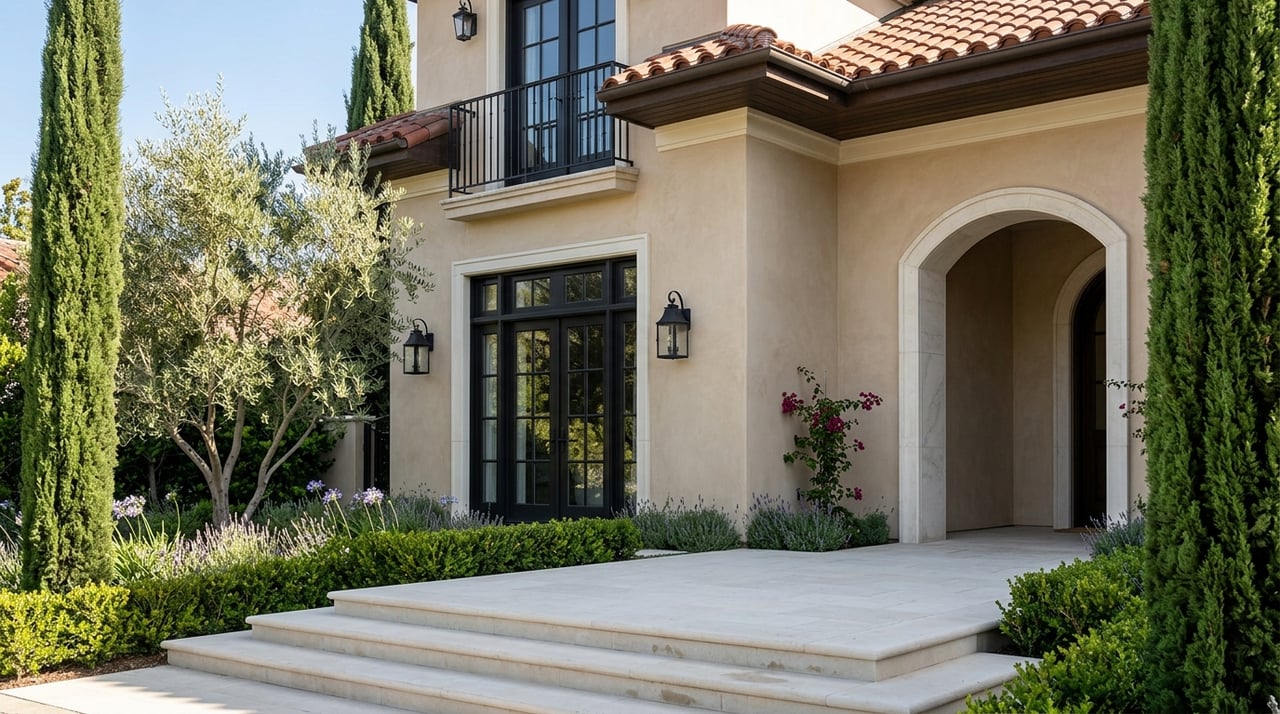
Coastal Orange County offers variety, but it often presents that variety in a lower-rise, more segmented way. In Newport Beach, official community and zoning materials show a mix that can include waterfront homes, residential islands, condos, duplexes, two-unit properties, and mixed-use vertical districts. The key difference is that these uses are often organized within distinct areas such as Balboa Peninsula, Balboa Island, Corona del Mar, Newport Center, and Newport Coast.
Laguna Beach also has a very defined housing character. Its general plan describes areas intended for single-family detached homes, other areas that allow duplexes and two-unit condos, and higher-density zones where several housing types are mixed. The city also notes that lower Laguna still includes older pre-1940 housing, which helps preserve neighborhood character.
For you as a buyer, that can mean more variation from one pocket to the next. One area may feel highly residential, while another may place you closer to shops, beach access, or mixed housing types. If you value a more low-rise visual environment, Orange County may check more boxes.
Westside housing mix
The Westside tends to push more clearly toward multi-unit and mixed-use living. Santa Monica still includes single-family neighborhoods, but the city states that a large share of its housing is in multi-unit structures. Denser zoning is also placed closer to the center of the city and major transportation corridors.
Venice and West Los Angeles continue that pattern. Community plans support higher densities near transit corridors, pedestrian-oriented districts, and mixed-use environments, while also preserving certain walk streets. That gives the Westside a more layered housing pattern where apartments, condos, multi-family properties, and commercial uses often sit closer together.
If you want more chances to live near daily conveniences without relying on a car for every errand, the Westside may appeal to you. If you prefer a more separated residential feel, Orange County may feel less compressed.
Getting Around Day to Day
Orange County commute reality
Orange County coastal living is still largely car-first. Newport Beach and Laguna Beach both emphasize parking management, public lots, parking apps, and limited beach parking. Laguna Beach also offers a trolley and on-demand neighborhood transit, but day-to-day movement still tends to revolve around planning for parking and driving routes.
At the regional level, OCTA says the I-405 remains congested, and the 405 Express Lanes were built to improve travel. Metrolink’s Orange County Line connects stations such as San Clemente and Irvine with Los Angeles Union Station, which gives some broader commuting flexibility. Still, for many residents, the car remains central to everyday life.
That matters if you are comparing lifestyle, not just map distance. In Orange County, coastal convenience often means knowing where to park, when to leave, and how to avoid peak traffic. Some buyers prefer that tradeoff because it comes with the village-style setting they want.
Westside transit options
The Westside generally offers more built-in alternatives to driving. Santa Monica points residents to Big Blue Bus, bike and scooter share, walking, and the E Line. The city’s transportation report says Big Blue Bus provided more than 10 million rides in FY24-25, and Santa Monica credits the Metro E Line with connecting the city to Downtown LA.
Venice and West Los Angeles planning documents also call for improved bus service, shuttles, and DASH service. While traffic is still part of life on the Westside, the transportation menu is broader. That can make a real difference if you value flexibility in how you get to work, appointments, or entertainment.
If you want a coastal lifestyle with stronger transit support, the Westside has a clear advantage. If you are comfortable with a driving-based routine, Orange County may still fit you better overall.
Beach Culture and Daily Rhythm
Orange County beach routine
Coastal Orange County often feels like a series of well-managed beach days rather than a nonstop urban attraction. Newport Beach offers piers, fire rings at selected beaches, parking lots, and a clear rule set that keeps beach use orderly. Dana Point is closely tied to surfing, tide pooling, Baby Beach, Doheny State Beach, Salt Creek, and harbor recreation.
Laguna Beach adds tide pools, beach parking systems, trolley service, and strict rules around smoking, alcohol, and parking. Together, these features create a rhythm that feels centered on surf, harbor access, family beach time, and sunset walks. For many people, that is the heart of Orange County’s appeal.
This does not mean the coast is quiet all the time. It means the experience often feels more planned and place-based. If you want your beach life to feel organized and rooted in distinct local routines, Orange County likely matches that goal.
Westside beach energy
The Westside beach experience is more active and urban. Santa Monica blends the beach with the Pier, retail, restaurants, and a large daily visitor presence. Venice Beach adds a two-mile boardwalk, performers, vendors, Muscle Beach, a skate plaza, a bike path, and recreation facilities.
That creates a beach culture that can feel less like a traditional beach town and more like a beach district connected to the city around it. For some buyers, that energy is the draw. For others, it can feel busier than what they want for daily living.
If you like to step outside and feel plugged into movement, activity, and people, the Westside may be the better fit. If you want the beach to feel more like a recurring lifestyle ritual, Orange County may feel more comfortable.
Which Coastal Lifestyle Fits You?
A simple way to frame the choice is village beach life versus urban beach life. Neither is better in the abstract. The better option is the one that matches how you actually want to live.
Orange County may fit you best if you want:
- Distinct coastal neighborhoods
- More lower-rise surroundings
- Harbor access and beach-town routines
- A lifestyle that is more car-based and planned around parking
- Clear separation between residential areas and activity hubs
The Westside may fit you best if you want:
- More mixed-use convenience
- Stronger transit options
- A livelier street scene
- Easier access to commercial districts and recreation in one setting
- A more urban version of coastal living
As you compare homes, this is where practical guidance matters. A beautiful property can still be the wrong fit if the surrounding lifestyle does not match your routine, commute, or long-term goals. Looking beyond the listing photos can save you time and help you make a better decision.
Why the Right Comparison Matters
When buyers compare Orange County and the Westside, the conversation often starts with aesthetics. The smarter comparison is how each area works for your everyday life. Housing pattern, transportation, beach access, and neighborhood structure all shape what ownership will feel like after move-in day.
That is especially important if you are also weighing renovation potential, resale flexibility, or long-term value. A home in either market may need updates, layout changes, or careful due diligence before you move forward. Understanding both the property and the surrounding setting helps you make a stronger decision.
If you are deciding between Newport Beach, Santa Monica, Venice, or another coastal pocket, a clear side-by-side review can make the process easier. The goal is not to force one answer. The goal is to find the location and property type that best fits your priorities.
If you want practical help comparing coastal options in Orange County and Greater Los Angeles, Martin Avalos offers buyer representation backed by real construction insight, straightforward guidance, and a client-first approach.
FAQs
What is the main lifestyle difference between Orange County and the LA Westside for coastal living?
- Orange County generally feels more like village beach life with distinct neighborhoods, while the Westside feels more like urban beach life with mixed-use districts, transit access, and a more active street scene.
What types of homes are common in Orange County coastal areas?
- Coastal Orange County includes a mix of waterfront homes, single-family homes, condos, duplexes, two-unit properties, and some mixed-use districts, often organized within distinct neighborhoods such as Balboa Island, Corona del Mar, and Newport Coast.
What types of homes are common on the LA Westside coast?
- The Westside includes single-family neighborhoods, but a large share of housing is in multi-unit structures, with denser and mixed-use housing often located near commercial centers and transit corridors.
Is Orange County or the Westside easier for getting around without a car?
- The Westside generally offers more transit options, including bus service, walking, bike and scooter share, and the E Line, while coastal Orange County remains more car-first in daily practice.
How does beach culture differ between Orange County and Venice or Santa Monica?
- Orange County beach culture often centers on managed beach routines, harbor access, surfing, tide pools, and neighborhood-based coastal living, while Venice and Santa Monica offer a busier beach environment tied to boardwalk activity, retail, restaurants, and major visitor traffic.
How should you choose between Orange County and the Westside for coastal living?
- Start with your real daily priorities, including commute style, housing preference, neighborhood feel, and how you want to spend your time near the beach, then compare homes through that lens rather than on appearance alone.