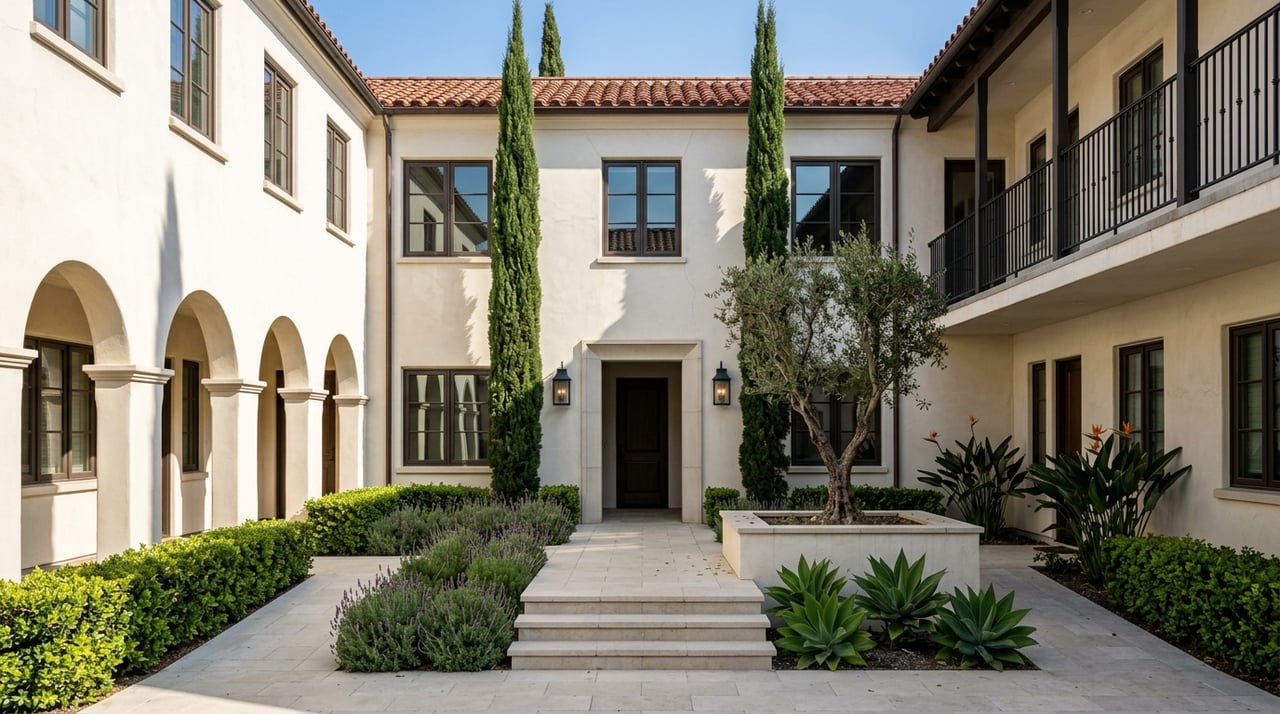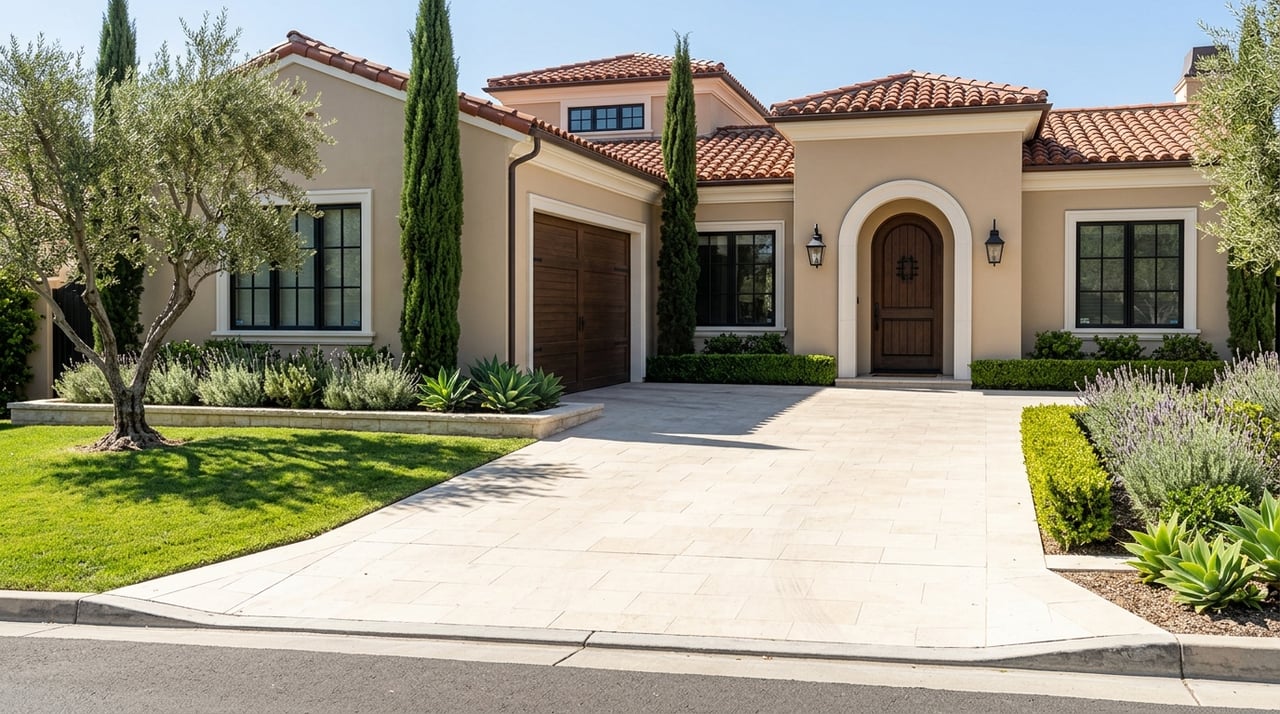
If you are shopping for new construction in Pacific Palisades, it is easy to focus on the finishes first. Wide-plank floors, dramatic kitchens, and clean coastal design get attention fast, but in this market, the real story often starts under the surface. You need to know how the lot works, how the home was permitted, and how the builder handled site conditions before you decide whether a property is worth the price. Let’s dive in.
Why Pacific Palisades new construction is different
Pacific Palisades is not a plug-and-play new construction market. The neighborhood sits between Santa Monica and Malibu, with the Pacific Ocean to the south and the Santa Monica Mountains to the north, and it includes major canyons and steep elevation changes. That geography makes grading, drainage, retaining walls, and geotechnical work especially important in many new builds.
That local terrain also helps explain why site fit matters more here than in flatter neighborhoods. A home can look exceptional online and still raise serious questions about slope stability, drainage planning, or foundation design. In Pacific Palisades, a beautiful finish package should never distract you from the underlying engineering.
Today’s inventory is shaped by rebuilding
After the January 2025 Palisades Fire, current new-construction activity shifted in a meaningful way. CAL FIRE reported 6,845 structures destroyed and 975 damaged, and the City of Los Angeles created dedicated rebuild support and expedited permit pathways. As a result, much of the market now includes custom infill and fire-rebuild projects rather than traditional large-scale development.
That matters because not every "new" home follows the same path. Some properties are fully completed and listed for sale, while others may be part of a rebuild process with different timelines, approvals, or ownership considerations. If you are comparing homes, make sure you understand whether you are looking at a finished new build, a rebuild, or a project tied to a more complex permitting track.
What submarkets buyers will hear about
You will often hear buyers and agents refer to areas such as Alphabet Streets, El Medio Bluffs, Riviera, Huntington Palisades, and blocks near Palisades Village. These names help describe location and housing style, but they do not tell the whole story of a property’s build quality or site complexity. In Pacific Palisades, the lot itself can be just as important as the street name.
Design styles also vary more than many buyers expect. Current examples in the market include modern farmhouse, contemporary farmhouse, Cape Cod, traditional coastal estate, organic-modern, and modern coastal luxury. That mix is another reason to avoid broad assumptions and evaluate each home on its own merits.
Pacific Palisades pricing requires context
New-construction pricing in Pacific Palisades is hard to reduce to one number. Current portal data shows only a small number of active listings, with one source showing 7 new homes at a median listing price of $3.79 million and another showing 8 new-construction homes at a median listing price of $2.495 million. Broader neighborhood figures also vary, with a home value index around $3,056,237 and a reported March 2026 median sale price of $3.0 million.
The key takeaway is simple: sample size is small, and price ranges are wide. Recent listing examples span from about $5.495 million in El Medio Bluffs to nearly $20 million in Huntington Palisades. In this market, price is often driven more by lot position, views, square footage, and finish level than by the fact that the structure is newly built.
Homes have also been selling in about 64 days on average based on March 2026 market data, but that figure should be read carefully. Because the 2025 fire changed the composition of inventory, current pricing and timing trends are more directional than normal-cycle benchmarks. If you are making an offer, it helps to judge the home against its site, approval status, and build quality, not just a broad market median.
Start with lot and site suitability
In Pacific Palisades, the first due-diligence question is not "How new is the home?" It is "Can this lot support the project safely and legally?" City guidance makes clear that rebuilds may involve coastal or canyon bluff regulations and protections for biological sensitivity resources.
The area has also been identified as a Very High Fire Hazard Severity Zone since 1999. That does not mean you should avoid the area, but it does mean you should pay close attention to how the property was planned, reviewed, and built. A strong new-construction purchase starts with site suitability, not staging.
Check zoning and overlay issues early
Before you get too far into a deal, confirm whether the parcel falls within the Coastal Zone or the Pacific Palisades Commercial Village and Neighborhood Specific Plan area. These designations can affect review paths and what can be built on a site. They can also affect whether a home or project matches what a buyer expects.
City rebuild guidance also encourages buyers to check for coastal bluff potential, canyon bluff potential, and biological-resource flags using ZIMAS. This step can help you avoid assuming that a parcel is fully buildable or that future changes will be straightforward. In Pacific Palisades, zoning and overlay details are not small-print issues. They are central to value.
Hillside construction deserves closer review
LADBS guidance for the Palisades fire area notes streamlined compliance paths for grading review, but it still requires compaction, soils, and geological review. For buyers, this is a major point. A hillside or bluff property should be judged on drainage, retaining walls, foundation design, and slope stability, not just visual appeal.
This is where construction literacy can make a real difference in your purchase process. You want to know whether the builder appears to have handled local engineering realities well, especially on more complex lots. In a market like Pacific Palisades, that level of scrutiny is not overkill. It is smart risk management.
Questions to ask before you write an offer
A polished listing can still leave out details you need to understand. Before moving forward, ask direct questions about the property’s approvals, site work, and timeline.
Here are some of the most important checkpoints:
- Confirm whether the parcel is in the Coastal Zone or another special planning area.
- Check whether ZIMAS shows coastal bluff, canyon bluff, or biological-resource flags.
- Ask whether the project is an EO1 or EO8 rebuild.
- Ask whether permit review has already been completed.
- Clarify whether you are buying a completed home or taking over a project with an existing timeline.
- Ask whether the builder planned for LADWP future undergrounding work.
The City of Los Angeles says eligible rebuilds receive an initial permit review within 30 days, permits must be completed within three years once issued, and current fee suspension applies only to owners of record on the fire date. Those details can affect timing, cost expectations, and negotiating leverage. They are worth understanding before you commit.
Builder quality matters more than branding
In any luxury market, builders often market the finished product well. In Pacific Palisades, however, the smartest buyers look beyond the brand story and into the builder’s execution. The lot, entitlement path, and quality controls should feel just as solid as the kitchen cabinetry and stone selections.
Pay special attention to areas where defects tend to show up later. California consumer guidance on construction defects points to issues such as water intrusion and foundation cracks. In a market shaped by slopes, drainage demands, and geotechnical complexity, those are not minor concerns.
Understand punch-list and warranty issues
New construction does not mean maintenance-free, and it does not mean every issue is covered the same way. One of the most common buyer mistakes is confusing a builder warranty with a home warranty. They are not the same.
Builder warranties usually cover permanent parts of the home. Federal consumer guidance says first-year coverage often includes items like siding, stucco, doors, trim, drywall, and paint, while two-year coverage commonly includes HVAC, plumbing, and electrical systems.
By contrast, the California Department of Insurance says a home warranty is a service contract, not homeowners insurance. It also warns that exclusions, service fees, and claim denials are common. In practical terms, a home warranty may help with some wear-and-tear repairs, but it does not replace a strong inspection or the builder’s responsibility to address legitimate defects.
Common punch-list items
When you do your final walkthrough, keep your eye on both cosmetic and performance issues. Typical punch-list categories include:
- Paint, drywall, stucco, doors, and trim touch-ups
- HVAC, plumbing, and electrical adjustments or repairs
- Water intrusion and drainage concerns
- Foundation-related issues or movement concerns
- Warranty exclusions, service fees, and claim deadlines
A careful walkthrough matters because the most expensive issues are not always obvious on day one. In Pacific Palisades, moisture management, drainage, and structural movement deserve as much attention as the finish details.
How to compare two new homes wisely
If you are choosing between two new homes, try using a practical framework instead of reacting to appearance alone. Ask yourself which property has the stronger combination of site quality, permit certainty, construction discipline, and asking price. That approach usually leads to a better long-term decision than comparing finishes by themselves.
A home with a less flashy design but clearer approvals, better drainage planning, and more confidence in the underlying build may be the smarter buy. That is especially true in Pacific Palisades, where topography and regulation can affect both present enjoyment and future resale. Newer is not automatically better. Better planned is better.
Why expert guidance matters here
Pacific Palisades new construction can offer exceptional design and modern livability, but it also demands disciplined due diligence. You are not just buying a new house. You are buying the result of a site strategy, a permitting path, and a construction process.
That is why practical guidance matters so much in this market. When you work with someone who understands both real estate and construction, it becomes easier to spot red flags, ask sharper questions, and evaluate value beyond the listing photos.
If you are considering a new build or rebuild in Pacific Palisades, Martin Avalos can help you evaluate the property with a practical, construction-informed lens and guide you through the buying process with clear, honest advice.
FAQs
What makes Pacific Palisades new construction different from other Los Angeles neighborhoods?
- Pacific Palisades has coastal and mountain terrain, canyon and bluff conditions, and planning overlays that can make grading, drainage, geotechnical review, and permitting more important than in flatter neighborhoods.
How should buyers evaluate pricing for Pacific Palisades new construction?
- Buyers should treat pricing as highly property-specific because current inventory is limited and values can vary widely based on lot position, views, square footage, finishes, and project type.
What should buyers check about a Pacific Palisades lot before buying a new home?
- Buyers should check whether the parcel is in the Coastal Zone or another special plan area and review ZIMAS for coastal bluff, canyon bluff, and biological-resource flags.
What permit questions matter for Pacific Palisades rebuild homes?
- Buyers should ask whether the property is an EO1 or EO8 rebuild, whether permit review is complete, and whether the purchase involves a finished home or a project with an existing timeline.
What are common punch-list issues in Pacific Palisades new construction?
- Common issues include paint and trim touch-ups, HVAC or plumbing adjustments, water intrusion concerns, drainage problems, and foundation-related movement issues.
What is the difference between a builder warranty and a home warranty in California?
- A builder warranty generally covers parts of the home and certain systems for set periods, while a home warranty is a service contract that may include exclusions, service fees, and claim limits.