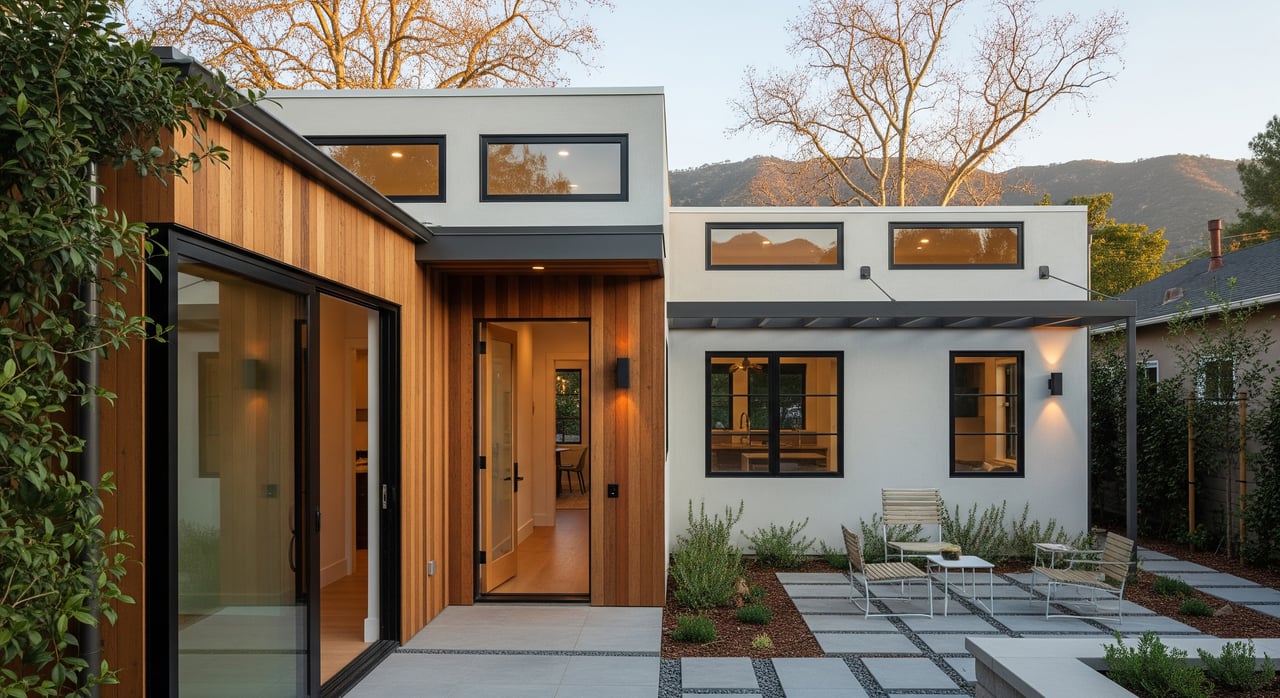
Thinking about adding an accessory dwelling unit to your Pasadena property? You’re not alone. ADUs can create rental income, add space for family, and lift long‑term property value. The rules, permits, and costs can feel confusing at first, but a clear plan turns the process from intimidating to doable. In this guide, you’ll learn the essentials on eligibility, permits and timelines, budget ranges, and how to estimate ROI so you can move forward with confidence. Let’s dive in.
What an ADU is in Pasadena
An accessory dwelling unit is a secondary home on the same lot as a primary residence. It can be detached, attached, or created by converting existing space. California law supports ADU development and limits many local barriers, and Pasadena applies those state rules with its own objective standards and design requirements.
A related option is a junior ADU (JADU). JADUs are typically up to 500 square feet and must be created within the existing single‑family home. They can be a smart, lower‑cost way to add livable space if your layout allows it.
Are you eligible on your lot?
In most single‑family zones, you can build at least one ADU, and many lots are also eligible for one JADU if it is created within the home. Your exact path depends on your zoning, lot size and shape, access to utilities, and whether your property is in a historic district.
If your home is a designated historic resource or located within a historic district, Pasadena may require design review or additional approvals. Also check private rules like HOA covenants, conditions, and restrictions. These can limit what you can build even when city code allows an ADU.
Key Pasadena ADU rules to know
While you should confirm parcel‑specific standards with Pasadena Planning, here are common statewide features that often apply locally:
- Size: Many jurisdictions allow detached ADUs up to around 1,200 square feet, though local maximums can be lower. A JADU is generally limited to 500 square feet within the existing home.
- Parking: Parking requirements are limited or waived in many cases, including when an ADU is within one‑half mile of transit or created by converting existing space.
- Setbacks: Detached ADUs typically can use reduced side and rear setbacks, commonly around 4 feet, subject to local standards.
- Owner‑occupancy: State rules have changed in recent years. Pasadena’s implementation can vary by ADU or JADU type, so verify current requirements with the city.
Because Pasadena integrates state law with local design and neighborhood overlays, confirm details like height, floor‑area limits, and design materials early in your planning.
Permits and timeline in Pasadena
Most straightforward ADUs that meet objective standards are reviewed and approved ministerially. That means no public hearing and a predictable process. If your project needs exceptions or falls within a historic overlay, discretionary review can add time.
Here is the typical path:
- Pre‑application research. Verify zoning, easements, utilities, and historic status. This prevents costly redesigns later.
- Optional pre‑application meeting. Review feasibility and required documents with Pasadena Planning or through online intake.
- Design and drawings. Hire an architect or designer to prepare site plans, floor plans, elevations, and utility diagrams that meet ADU standards.
- Formal submittal. Submit plans to Planning and Building & Safety for ministerial plan check if your project meets objective standards.
- Plan check and corrections. Respond to comments and pay applicable plan‑check and permit fees.
- Permit issuance. Once plan check is approved, your building permit is issued.
- Construction and inspections. Complete work in stages with required inspections, then obtain final sign‑off or a certificate of occupancy.
- Renting and registration. If you plan to rent, obtain any required business license or registration. Short‑term rental use may require extra steps.
Typical timelines vary by scope and season:
- Ministerial ADUs that meet objective standards: about 2 to 6 months for plan check and permits, plus construction time.
- Projects needing variances, exceptions, or historic review: about 3 to 9 months or more, depending on hearings and revisions.
Plan‑check revisions, contractor scheduling, and utility upgrades can extend timelines, so build in buffer.
Permits and fees to budget
Expect several categories of fees. Exact amounts change over time, so confirm current schedules with the city and utilities.
- Building permit and plan‑check fees
- Planning intake and plan review
- Impact fees (often apply to ADUs larger than 750 square feet)
- Utility connection fees (water, sewer, electric), including potential meter or capacity upgrades
- Public works fees for driveway or sewer lateral work, if required
- Business license or registration for rental use, and any short‑term rental registrations
What will it cost?
ADU budgets vary based on size, site conditions, finishes, and whether you are converting existing space or building new. Use these common Los Angeles and Pasadena area ranges as a starting point, then refine with contractor bids.
- Garage or interior conversion (studio or 1‑bed): commonly $40,000 to $150,000
- Attached new ADU (about 400 to 800 sq ft): commonly $120,000 to $350,000
- Detached new ADU (about 400 to 1,200 sq ft): commonly $150,000 to $450,000+ depending on size and finishes
- Prefab or modular ADU: often $100,000 to $300,000 installed, with site and utility work a major variable
Beyond construction, plan for soft costs and contingency:
- Soft costs: typically 10 to 25 percent of construction (design, engineering, surveys, permits)
- Contingency: 10 to 20 percent of construction for unknowns and price swings
Factors that can raise costs in Pasadena include historic design requirements, steep or constrained lots, required sewer lateral replacement, electrical service upgrades, and higher‑end kitchens and baths. When the market is busy, labor costs can also push bids higher.
How to use your ADU
Your ADU can flex as your needs change over time. Many owners choose one of these paths:
- Long‑term rental to generate steady income
- Family or multigenerational housing for aging parents or adult children
- Home office or workspace, subject to home‑business rules
- Caregiver housing or accessory occupancy
- Short‑term rental, if allowed and properly registered
If you are considering short‑term rentals, confirm Pasadena’s current rules, required registrations, and any transient occupancy tax obligations before you commit to a strategy.
Estimating rental value and ROI
If income is part of your goal, build a simple financial model before you submit plans. This helps you balance scope, finishes, and budget against expected returns.
Start with local rent comps. Look for similar studio, 1‑bed, or 2‑bed units in Pasadena and adjust for location, amenities, parking, and condition. Use a conservative vacancy allowance. Then estimate your operating expenses, including insurance, maintenance, utilities you may pay, property management if used, and reserves.
Here are helpful metrics:
- Gross annual income = monthly rent × 12
- Net operating income (NOI) = gross income − vacancy − operating expenses
- Capitalization rate (cap rate) = NOI ÷ total project cost
- Cash‑on‑cash return = annual pre‑tax cash flow ÷ cash invested
- Payback period ≈ total project cost ÷ annual net cash flow
Example for illustration:
- Total project cost: $250,000
- Monthly rent: $2,200 → annual gross: $26,400
- Vacancy and expenses at 30 percent of gross: $7,920 → NOI: $18,480
- Cap rate: $18,480 ÷ $250,000 = 7.4 percent
- Payback: $250,000 ÷ $18,480 ≈ 13.5 years
This is only a framework. Use your own cost estimates and current Pasadena rents to produce a realistic picture before you finalize design decisions.
Note on property taxes: Adding an ADU or new livable area can increase assessed value and property taxes. Rules and exemptions can vary, so contact the Los Angeles County Assessor to understand potential changes before you begin.
Your ADU action plan
Set yourself up for smooth approvals and a controlled budget with these practical steps:
- Confirm eligibility. Check zoning and whether your property is in a historic district or subject to a neighborhood overlay.
- Review private restrictions. Look for recorded easements, lot coverage limits, and any HOA or CC&R rules that affect ADUs.
- Check utilities early. Ask Pasadena Water and Power and your electric and gas providers about service capacity, panel upgrades, water meters, and sewer connection requirements.
- Get the latest fee schedules. Fees change. Confirm current planning, building, impact, and utility fees.
- Build your team. Interview an architect or designer with ADU experience, a licensed general contractor, and consultants such as a structural or civil engineer if needed. Consider a permit expediter for complex or historic projects.
- Start with a feasibility sketch. A simple site plan and basic layout can surface issues before you invest in full drawings.
- Schedule a pre‑application meeting. Validate your approach with city staff and clarify submittal requirements.
- Budget with buffers. Include 10 to 20 percent contingency and realistic soft costs. Obtain at least two contractor bids.
- Decide on use. Plan whether the ADU will be a rental, family housing, or workspace. If renting, understand local registration and tax obligations.
Work with a trusted local advisor
A successful ADU starts with clear goals, accurate numbers, and a plan tailored to your lot. With a background as a retired veteran and general contractor, I bring practical cost and scope insight to help you plan an ADU that fits your budget and value goals. Whether you’re weighing conversion vs. new construction, or looking for a straight answer on likely ROI, you’ll get candid guidance and introductions to vetted local pros. Ready to explore your options in Pasadena? Connect with Martin Avalos to map your next steps.
FAQs
What permits do I need for an ADU in Pasadena?
- You’ll typically need planning intake approval, building permit and plan‑check, and utility clearances; additional reviews may apply in historic districts or for driveway and sewer work.
How long does ministerial ADU approval take in Pasadena?
- For ADUs that meet objective standards, plan check and permit issuance commonly take about 2 to 6 months, not including construction time.
How much does it cost to build an ADU in Pasadena?
- Conversions often run $40,000 to $150,000; new attached units about $120,000 to $350,000; new detached units about $150,000 to $450,000+; prefab options about $100,000 to $300,000.
Can I use my Pasadena ADU for short‑term rentals?
- It depends on current city rules; many places require registration, a business license, and transient occupancy tax, and some limit STR use for accessory units—confirm with the city before listing.
Will adding an ADU raise my Los Angeles County property taxes?
- Adding permitted living area can raise assessed value; contact the Los Angeles County Assessor to understand how your ADU may affect your tax bill.
Do I need parking for my Pasadena ADU?
- Parking requirements are limited under state law, and in many cases are waived if the ADU is near transit or created by converting existing space; verify specifics for your parcel with the city.