Wondering why some Santa Monica condos seem to stand out right away while others sit longer than expected? In a market where buyers can compare dozens of similar units online before they ever book a tour, your condo needs more than a good address to make a strong first impression. If you are thinking about selling, the right prep work can help you reduce buyer objections, support your asking price, and create a smoother path to closing. Let’s dive in.
Why Santa Monica Condo Prep Matters
Santa Monica is a high-price condo market, and buyers tend to look closely at both value and condition. Redfin reports a median sale price for Santa Monica condo and co-op homes of about $1,299,507, while its broader city market median sale price is $1,743,956.
That pricing makes details matter. Redfin also reports 138 condos for sale with a median listing price of $1.24M, and many homes stay on the market for about 75 days while receiving roughly one offer. When buyers have options, polished presentation and fewer disclosure surprises can make a real difference.
Focus on What Buyers Notice First
Most buyers start online, not at the front door. According to NAR's 2025 profile, 52% of buyers found their home online, and 70% used a mobile device or tablet during the search.
That means your photos, video, and overall presentation are not just marketing extras. They are often the first showing. If your condo looks clean, bright, and well cared for online, you have a better chance of getting serious buyers through the door.
Prioritize Visual Readiness
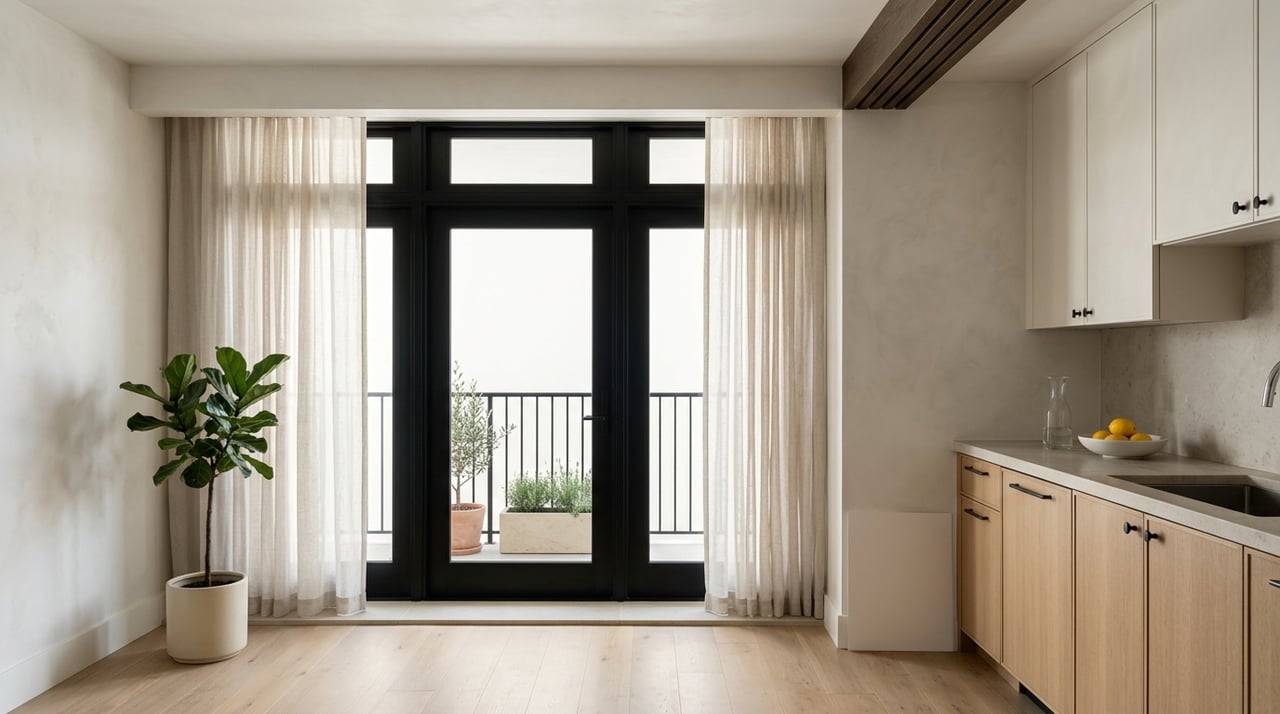
Before you spend money on major work, start with what improves appearance fast. In many condos, that means a fresh coat of paint, wall patching, updated caulk or grout, better lighting, and simple hardware replacements.
These updates are usually less disruptive than large renovations and can make the home feel more current. In a condo, much of the buyer's attention stays on the interior condition, layout, and finish quality inside the unit.
Stage the Key Rooms
Staging can help buyers picture how the space lives day to day. NAR's 2025 staging survey found that 83% of buyers' agents said staging made it easier for buyers to visualize the home as a future home.
The most commonly staged rooms were the living room, primary bedroom, and dining room. If you want to prepare efficiently, start there. A clean, balanced layout in those spaces often improves both photos and in-person showings.
Choose Updates With Practical ROI
Not every pre-sale project makes sense. The goal is not to fully remodel your condo before listing. The goal is to remove distractions and strengthen value where buyers will notice it.
NAR's 2025 Remodeling Impact Report says the projects REALTORS most often recommend before listing are painting the entire home, painting one interior room, and new roofing. For condos, the practical takeaway is usually to focus on low-disruption interior improvements rather than structural changes.
Smart Condo Updates Before Listing
Consider these common pre-list improvements:
- Fresh interior paint
- Drywall patching and touch-up work
- Re-caulking tubs, showers, and sinks
- Grout cleaning or repair
- Updated cabinet hardware
- Improved light fixtures or bulbs
- Minor kitchen cosmetic updates
- Minor bathroom cosmetic updates
- Deep cleaning and decluttering
A minor kitchen refresh can be especially worth reviewing. The 2025 Cost vs. Value Report found a midrange minor kitchen remodel recouped about 113% nationally, though local results vary.
Get HOA Documents Early
One of the biggest condo sale delays has nothing to do with décor. It is paperwork. In California, condo sellers should request the HOA resale packet early so there is time to review the documents and answer buyer questions.
California Civil Code 4525 requires delivery of core association documents, including governing documents, recent financial documents, current assessments and unpaid charges, unresolved violation notices, approved but not-yet-due assessment changes, requested board minutes, and the most recent inspection report. Under Civil Code 4530, the association must provide requested documents within 10 days of a written request.
What to Review in the HOA Packet
Pay close attention to:
- Monthly dues and any unpaid charges
- Pending or approved assessment changes
- Reserve funding information
- Recent board minutes
- Open violation notices
- Building inspection records
- Rules that may affect buyer use of the property
The California Department of Real Estate disclosure guide also identifies governing documents, the operating budget, reserve study, and assessment or reserve funding summary as important buyer documents in a condominium sale. When you gather these early, you have more time to clarify issues before they become deal friction.
Watch for Building Issues Buyers May Flag
In Santa Monica, buyers often look beyond the unit itself. They may also ask about the building's condition, upcoming repair obligations, and the chance of future HOA costs.
That is especially true in older multi-family buildings. A condo that shows well but raises unanswered questions about the structure or association can still lose momentum.
Seismic Retrofit Questions
Santa Monica has a mandatory seismic retrofit ordinance for certain wood-frame buildings built before November 10, 1980 with ground-floor parking or other open space and one or more stories above. Some three-plus-story buildings with certain irregularities may also still be subject to requirements even if previously retrofitted.
The city's 2025 hazard mitigation plan says 67% of soft-story multi-family residential structures had completed retrofit as of June 2025. If your building may be affected, it helps to know the compliance status, work history, and whether any related special assessments exist or could be expected.
Balcony and Exterior Elevated Element Reports
If your condo project includes elevated balconies, decks, or walkways, buyers may ask about inspection records. California Civil Code 5551 requires a reasonably competent and diligent visual inspection of sampled exterior elevated elements in condominium projects at least once every nine years.
For a seller, the practical question is simple: does the association have a current report, and were any follow-up repairs recommended? Knowing that before listing helps you respond calmly and clearly.
Confirm Disclosures and Permit History
Condo sellers should not wait until escrow to sort out disclosure details. California's DRE guide notes that listing and selling brokers must each conduct a reasonably competent and diligent visual inspection and disclose facts that materially affect value or desirability.
That makes early preparation important. If something is visible, incomplete, or inconsistent, it is better to address it before marketing begins.
Common Items to Verify
Depending on the property, confirm these items early:
- Any known HOA violations
- Prior repairs or upgrades inside the unit
- Whether visible work may have required permits
- Water heater bracing, anchoring, or strapping where applicable
- Lead-based paint disclosure obligations if the unit or building was built before 1978
Santa Monica's building permit page notes that a single-trade permit can apply to work such as door or window replacement, mechanical, electrical, plumbing, stucco, plastering, and roofing. The city also says construction activity authorized by permit requires inspection clearances before completion. Even modest work can deserve a second look.
Build a Better Listing Timeline
Good prep works best when each step supports the next one. Instead of tackling repairs, documents, staging, and photography at random, use a simple timeline that keeps the process moving.
This is especially helpful in Santa Monica, where pricing is high and buyers tend to compare units carefully. A coordinated launch can help your condo hit the market looking complete rather than rushed.
4 to 8 Weeks Before Listing
Start with the building and paper trail.
- Request the HOA resale packet
- Review assessments, reserve information, and board minutes
- Check for unresolved violations
- Confirm seismic retrofit status if relevant
- Ask whether there are current exterior elevated element inspection records
2 to 4 Weeks Before Listing
Move next to physical prep inside the unit.
- Finish paint and patching
- Complete cosmetic kitchen or bath updates
- Replace dated hardware or lighting
- Verify whether any planned work needs permits
- Deep clean and simplify the space
1 to 2 Weeks Before Listing
Now focus on launch-ready presentation.
- Stage the main living spaces
- Schedule professional photography
- Add video or virtual tour assets
- Make sure every room feels bright, clean, and uncluttered
NAR reports that buyers' agents rank photos, traditional staging, video tours, and virtual tours among the most important listing elements. In an online-first market, these steps deserve real attention.
A Successful Sale Starts With Fewer Objections
The best strategy for selling a Santa Monica condo is often not a full remodel. It is a clear, disciplined effort to remove the objections buyers are most likely to raise during online review, HOA document review, and inspections.
That is where practical guidance matters. When you understand which repairs are worth doing, which disclosures need attention, and how to present the unit well from day one, you put yourself in a better position to attract serious interest and protect your pricing.
If you are preparing to sell and want practical advice on condition, prep scope, and market positioning, Martin Avalos can help you build a smart plan before your condo goes live.
FAQs
What should you fix before selling a Santa Monica condo?
- Focus first on paint, patching, caulk or grout touch-ups, lighting, hardware, deep cleaning, and small kitchen or bath cosmetic updates that improve appearance without major disruption.
When should you request HOA documents for a Santa Monica condo sale?
- Request the HOA resale packet about 4 to 8 weeks before listing so you have time to review assessments, minutes, reserve information, inspection records, and any open violations.
Do Santa Monica condo sellers need to check seismic retrofit status?
- Yes, if the building may fall under the city's retrofit rules, buyers may ask about compliance status, completed work, timing, and any related special assessments.
Why does staging matter when selling a Santa Monica condo?
- Staging helps buyers visualize the home and can strengthen both online presentation and in-person showings, especially in key rooms like the living room, primary bedroom, and dining room.
Do small condo improvements need permits in Santa Monica?
- Some do, so it is smart to verify permit requirements before starting visible pre-list work, especially for items like windows, doors, electrical, plumbing, mechanical work, or plastering.
What disclosures matter in a California condo sale?
- Common issues include HOA documents, known violations, inspection-related building records, lead-based paint disclosure if the property was built before 1978, and water heater bracing certification where applicable.