Life in Pacific Palisades can feel surprisingly calm for a Los Angeles coastal neighborhood. If you are trying to picture your day-to-day here, the answer is less about nonstop city energy and more about canyons, ocean access, neighborhood routines, and a village-style commercial core. Whether you are thinking about moving in, buying a second home, or simply learning the area, this guide will help you understand how people actually live in Pacific Palisades today. Let’s dive in.
Pacific Palisades Has a Distinct Daily Pace
Pacific Palisades is shaped by mesas, canyons, the coastline, and the edge of the Santa Monica Mountains. That geography creates winding streets, distinct residential pockets, and a neighborhood layout that feels different from flatter parts of Los Angeles.
In practical terms, everyday life often centers on a few familiar places instead of one long commercial strip. The area is designed around a small-scale village feel, with commercial activity concentrated in the Village, Marquez, Santa Monica Canyon, and the Sunset/PCH area.
That planning pattern helps explain why the Palisades often feels residential first. You are usually heading to a go-to market area, a trailhead, or the beach, then back home, rather than spending the day in a dense urban corridor.
Errands Often Revolve Around the Village
For shopping and casual outings, Palisades Village remains the neighborhood’s main retail anchor. Caruso describes it as a walkable village with more than 40 boutiques, dining options, fresh food, a community room, and landscaped green space.
The center is expected to reopen in August 2026, with Erewhon returning as the anchor grocer. Gelson’s has also announced plans to rebuild and reopen in Pacific Palisades, although no opening date has been set.
That means local routines are still evolving. Even so, the Sunday farmers market remains part of neighborhood life, giving residents a consistent weekly errand and gathering point.
What that means for your routine
If you live in Pacific Palisades, your errands are likely to feel intentional and concentrated. Instead of dozens of scattered retail clusters, you tend to rely on a handful of neighborhood-serving destinations.
For many buyers, that is part of the appeal. The area’s commercial design supports a quieter, more residential atmosphere while still keeping daily basics within reach.
Outdoor Living Is a Big Part of Life
One of the clearest benefits of living in Pacific Palisades is how easily you can shift from home life to outdoor time. The neighborhood sits between the coast and the mountains, which gives you access to both beach days and trail days without a major cross-town drive.
Will Rogers State Beach includes Castle Rock Beach and Palisades Beach. Inland, Temescal Gateway Park is located in Pacific Palisades and is known as one of the most popular parks in the Santa Monica Mountains.
The mountain setting also opens the door to a much larger trail network. The National Park Service says the Santa Monica Mountains contain more than 500 miles of public trails, including the Backbone Trail, which begins at Will Rogers State Historic Park and runs to Point Mugu State Park.
A lifestyle built around short outings
For many residents, outdoor access becomes part of the weekly rhythm rather than a special event. A quick beach stop, an early hike, or a scenic drive to a trailhead can fit naturally into the day.
That convenience matters if you value space, views, and a more active routine. In Pacific Palisades, the landscape is not just scenery. It shapes how people spend their time.
Recovery Still Affects Daily Life
Pacific Palisades is still navigating changes after the 2025 Palisades Fire. If you are considering a move, it is important to understand that some community routines and public spaces remain in a recovery phase.
The City of Los Angeles says Palisades Recreation Center is still closed for recreational programming until further notice, with programming currently shifted to other locations. California State Parks says Will Rogers State Historic Park reopened with limited access on November 8, 2025 and is now open daily from 8 a.m. to sunset with limited parking.
These details matter because they affect how you use neighborhood amenities right now. In a market like Pacific Palisades, local conditions can influence convenience just as much as the home itself.
The Housing Experience Changes by Pocket
Pacific Palisades may read as one neighborhood, but it lives more like several distinct micro-areas. SurveyLA identifies places such as Santa Monica Canyon, Rustic Canyon, the Founders Tracts, the Riviera, Castellammare, Miramar, and Huntington Palisades as clearly recognizable residential pockets.
That variety shows up in street patterns, architecture, views, and the overall feel of daily life. Depending on where you are, your routine may feel more canyon-like, more estate-oriented, or more connected to postwar hillside living.
Huntington Palisades and the Riviera
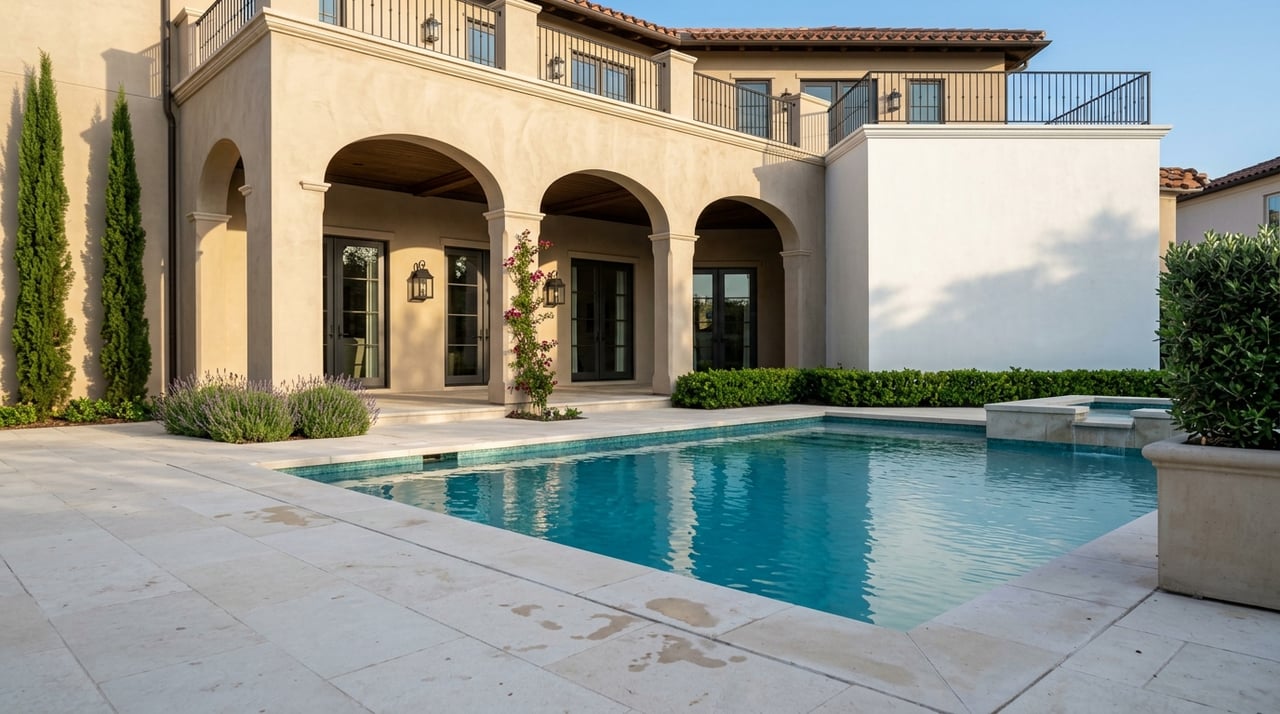
These areas were laid out as early automobile-era districts and include homes from the 1920s through the 1950s. SurveyLA describes Period Revival and Ranch architecture, landscaped street patterns, and a more estate-like setting.
For a buyer, that often translates into a more formal residential feel. The streetscape and lot patterns can give these areas a more established, classic Westside character.
Rustic Canyon and the Uplifters area
Rustic Canyon and the Uplifters Historic District have a looser, older feel. SurveyLA notes Craftsman bungalows, vernacular log-faced cabins, natural landscaping, and in some places no sidewalks or streetlights.
That can create a more tucked-away daily experience. If you are drawn to a setting that feels less polished and more connected to the canyon landscape, these pockets stand apart.
Castellammare and hillside sections
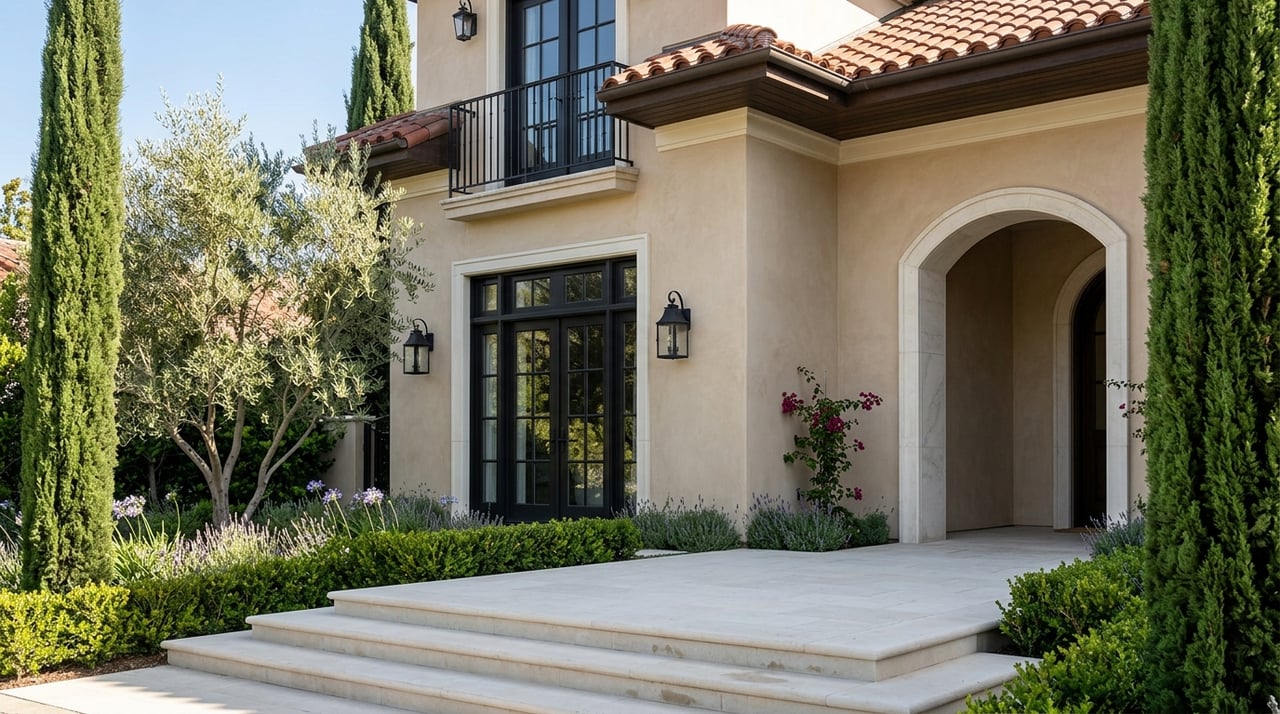
Castellammare was planned as a Mediterranean community with Italian Renaissance architecture, steep stone retaining walls, and stairways. Elsewhere in the hills, there is a notable concentration of Mid-Century Modern homes designed to capture canyon and ocean views.
In these sections, the terrain becomes a major part of homeownership. Views, elevation, access, and site design can play a big role in both lifestyle and property decisions.
Marquez Knolls and postwar areas
Marquez Knolls is one of the larger postwar subdivisions in the neighborhood. For some buyers, these areas offer a different kind of appeal, with more mid-century and postwar planning patterns than the older estate districts or canyon enclaves.
That is why two homes in Pacific Palisades can offer very different living experiences even if they share the same zip code. The neighborhood is broad in reputation, but highly specific on the ground.
Price Points Vary More Than Many Buyers Expect
Pacific Palisades is widely seen as a high-end market, but pricing varies significantly by pocket. As of May 2026, Realtor.com places the median listing price at about $3.5 million and describes the market as balanced.
Its neighborhood data shows a wide spread, from roughly $1.6 million in the Highlands to $2.1 million in Marquez Knolls, $3.5 million in the Alphabet Streets, $6.9 million in Huntington Palisades, and $17.9 million in the Riviera. Redfin reports a three-month median sale price of $2.8 million, while Zillow reports an average home value of about $3.04 million.
The key takeaway is simple: Pacific Palisades is not one uniform market. If you are buying or selling here, the specific pocket, lot, architecture, and condition of the home matter a great deal.
Culture and Setting Add to Daily Life
Pacific Palisades is not just residential. It also includes well-known cultural and scenic landmarks that shape how the neighborhood feels.
The Getty Villa is located in Pacific Palisades at 17985 Pacific Coast Highway. The Cultural Landscape Foundation describes it as a cultural institution set within a narrow canyon filled with eucalyptus trees.
Even if you are not visiting a museum every week, features like this add to the identity of the area. They reinforce the sense that Pacific Palisades is a place where landscape, architecture, and daily routine are closely connected.
What Buyers Should Notice First
If you are exploring Pacific Palisades, focus on how you want your day to feel. The right fit often comes down to whether you want easier beach access, a canyon setting, an estate-style street pattern, or a more postwar hillside environment.
It also helps to look closely at condition, access, and site design. In a neighborhood with steep terrain, varied architecture, and meaningful price differences by pocket, details matter.
For buyers especially, Pacific Palisades rewards a practical approach. A home’s setting, renovation needs, and long-term usability can shape value just as much as the address.
What Sellers Should Keep in Mind
If you own a home in Pacific Palisades, your property likely competes within a very specific micro-market. Buyers are not just comparing square footage. They are comparing architectural style, lot position, views, access, and how well the home fits the expectations of that particular pocket.
That makes preparation especially important. Thoughtful updates, honest pricing, and a clear understanding of what buyers value in your part of the Palisades can influence both interest and final sale results.
If you are planning a move, it helps to work with someone who can assess not only market positioning but also the physical condition of the home and where improvements may or may not pay off.
If you want practical guidance on buying or selling in Pacific Palisades, connect with Martin Avalos for a clear, client-first strategy grounded in market insight, property condition, and smart next steps.
FAQs
What is everyday life like in Pacific Palisades?
- Everyday life in Pacific Palisades is shaped by a quiet residential setting, a village-style commercial core, easy access to beaches and trails, and several distinct neighborhood pockets with different home styles and routines.
Where do residents shop in Pacific Palisades?
- Palisades Village is the main retail anchor, and the neighborhood’s commercial activity is primarily concentrated in the Village, Marquez, Santa Monica Canyon, and the Sunset/PCH area.
Are outdoor activities easy to access from Pacific Palisades?
- Yes. Residents have access to Will Rogers State Beach, Temescal Gateway Park, and the broader Santa Monica Mountains trail network, including more than 500 miles of public trails.
Is Pacific Palisades fully back to normal after the 2025 fire?
- Not entirely. Some daily routines are still affected, including the continued closure of Palisades Recreation Center for recreational programming and limited access conditions at Will Rogers State Historic Park.
Do all parts of Pacific Palisades feel the same?
- No. Areas such as Huntington Palisades, the Riviera, Rustic Canyon, Castellammare, and Marquez Knolls offer noticeably different settings, architecture, and day-to-day living experiences.
How expensive is the Pacific Palisades housing market?
- As of May 2026, Realtor.com reports a median listing price of about $3.5 million, with substantial variation by area, from roughly $1.6 million in the Highlands to $17.9 million in the Riviera.