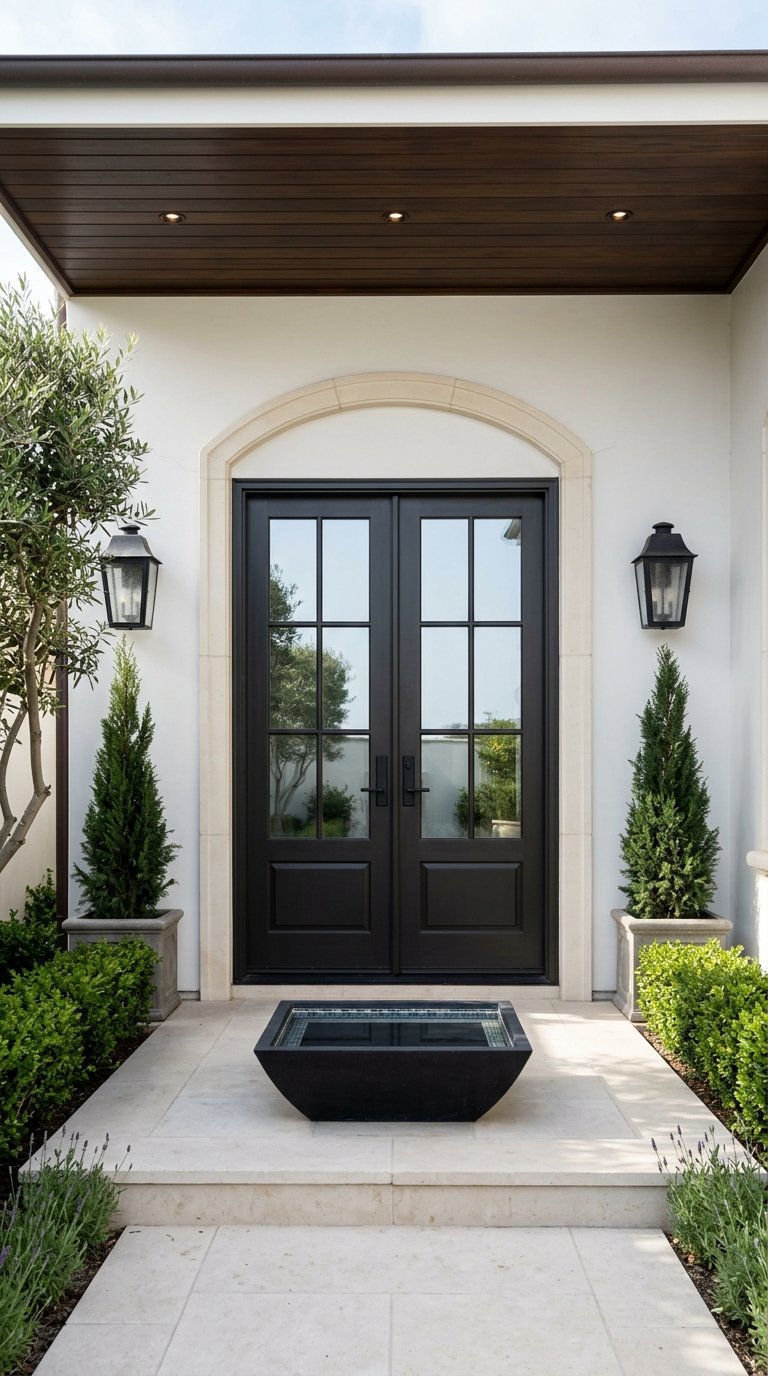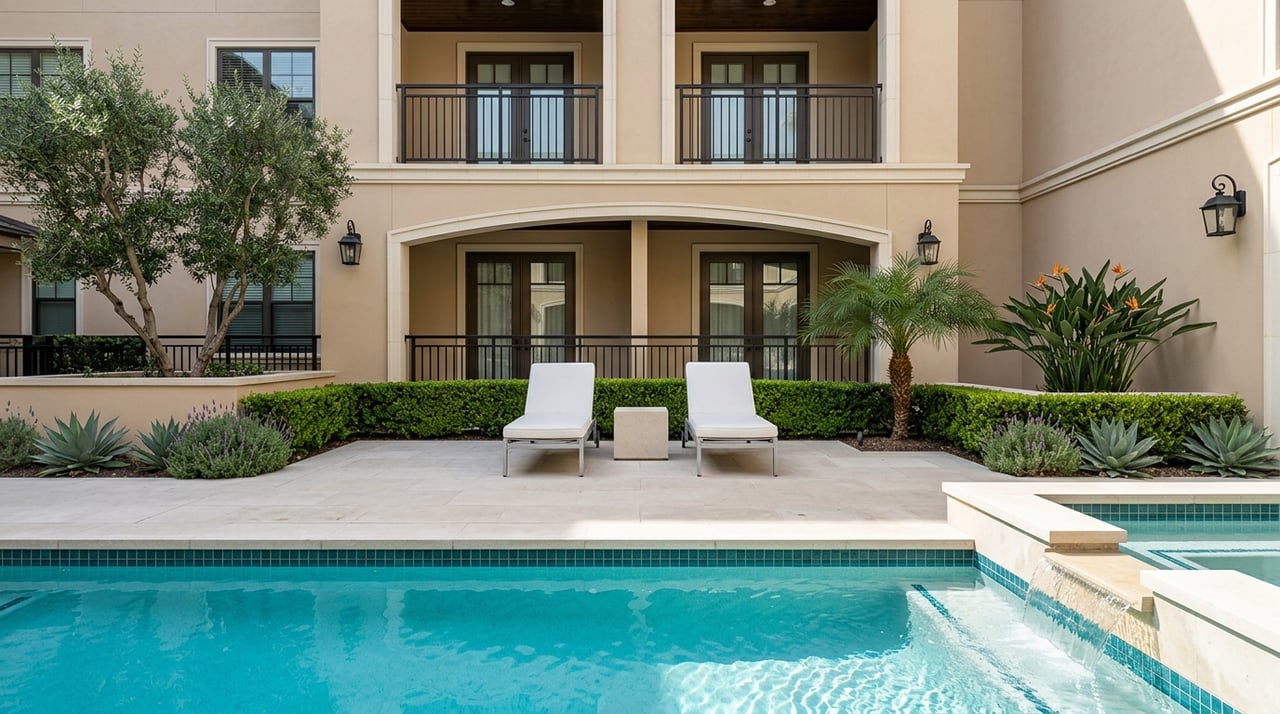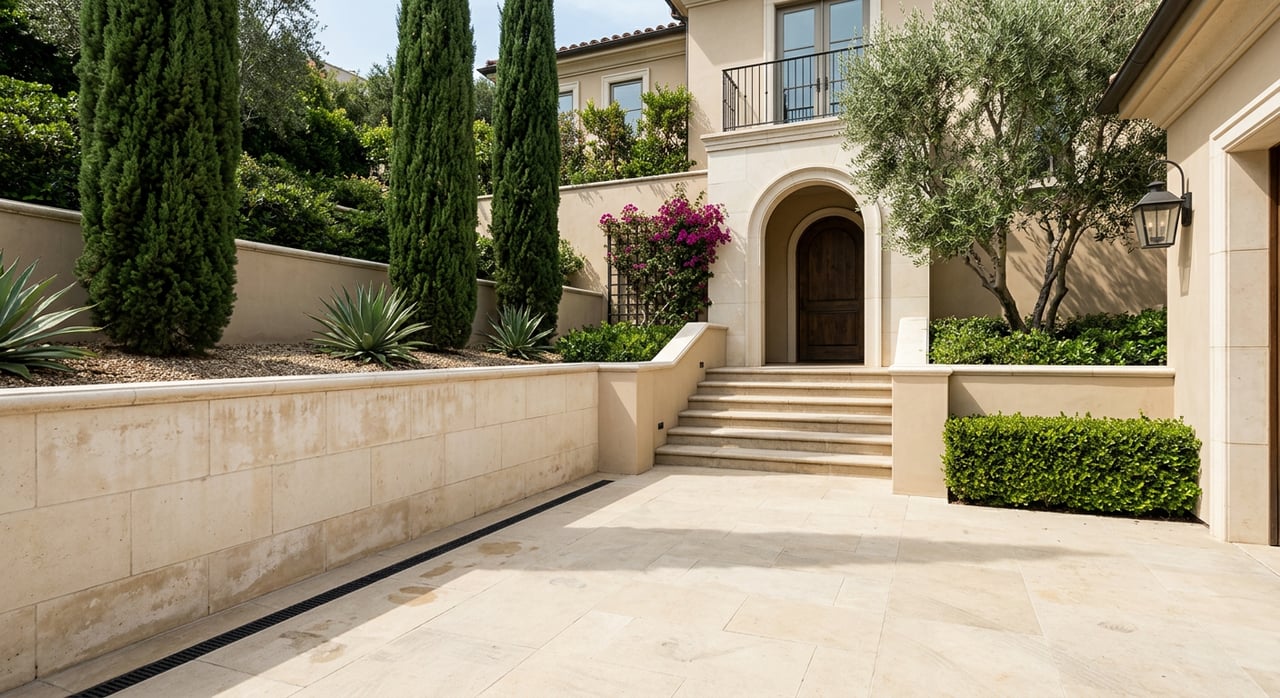
Choosing between Beverly Hills and Santa Monica can feel like picking between two great lifestyles: glittering estates and world‑class retail or a beach‑first rhythm with high walkability. You want clarity on prices, neighborhoods, schools, and what it takes to renovate or maintain a luxury home. In this guide, you’ll get a practical, side‑by‑side look at both markets, from buyer profiles and daily life to inspections, permitting, and long‑term value drivers. Let’s dive in.
Snapshot: prices and what to expect
Both cities are premium Westside markets, but they behave differently.
- Santa Monica: The January 2026 median sale price was about $1.50M (monthly median). Zillow’s typical home value for late 2025 was around $1.62M. Different data models explain the small variance. The key driver is proximity to the coast and walkability, with strong demand for condos and beach‑close single‑family homes.
- Beverly Hills: The January 2026 median sale price was near $2.98M, but averages can swing widely because a single trophy estate can move the median. In core 90210 neighborhoods, typical values are in the multi‑millions, with wide dispersion between The Flats, Trousdale, and hillside estates.
What it means for you: use neighborhood‑level comparables and price per square foot. In Santa Monica, high‑rise ocean‑view condos often trade in the high‑$900s to $1,500+ per square foot, while inland and Wilshire/Montana corridor condos are lower. In Beverly Hills, price per square foot varies by micro‑market; top‑end estates in Trousdale can command multi‑thousand per square foot.
Santa Monica pricing patterns
- Premiums concentrate near the ocean and walkable cores like Ocean Avenue, Downtown/Third Street Promenade, and Montana Avenue.
- Inventory tends to be steadier, with a healthy mix of condos and single‑family homes.
- Monthly medians are more stable than in ultra‑luxury estates but still vary by neighborhood and property type.
Beverly Hills pricing patterns
- The Flats and areas near Rodeo Drive deliver the classic address and walkability, with smaller lots than view estates and very high pricing on limited sales.
- Trousdale and adjacent hills offer panoramic views, privacy, and mid‑century or modern estates with premium pricing.
- Inventory is thinner overall, and the ultra‑luxury segment can be illiquid. One significant sale can shift monthly medians.
Neighborhoods and property types
Here’s how the most common micro‑markets line up with buyer goals.
Beverly Hills: who it suits and where to look
- The Flats and core near Rodeo Drive: Classic Beverly Hills single‑family homes and high‑end condos with pedestrian access to luxury retail and dining. Best if you want a central, polished setting and a renowned address.
- Trousdale Estates: Mid‑century modern and large contemporary rebuilds on generous lots, single‑level living, and major view premiums. Ideal if you want privacy, architecture, and panoramas.
- Beverly Crest / BHPO: More pricing spread and larger hillside lots. Often a relative value compared with the core, but expect longer drives to the city center and added hillside due diligence.
This is a strong fit if you want privacy, a status address, and room for bespoke design. Be ready for higher carrying costs and longer timelines on major construction.
Santa Monica: who it suits and where to look
- North of Montana (90402): Some of the city’s most desirable single‑family streets with beach access and a neighborhood feel.
- Ocean Avenue and Downtown: High‑PPSF condos with ocean views, hotel‑like amenities, and immediate access to dining, shopping, and the beach.
- Wilshire/Montana and 90403/90405 pockets: A wider range of condos and mid‑price single‑family options that deliver the Santa Monica lifestyle at comparatively lower entry points.
This is a strong fit if you want a beach‑centric lifestyle, high walkability, and transit options, with the flexibility of condo living or lower‑maintenance homes.
Lifestyle, walkability, and transit
Daily rhythm: retail and dining
- Beverly Hills centers on global luxury retail, fine dining, and a polished, private city feel. Expect a more formal scene with boutique experiences and concierge‑style services.
- Santa Monica blends neighborhood boutiques with a vibrant promenade, pier, and beach scene. Outdoor fitness, biking, and dining out are part of daily life, alongside steady visitor traffic in core areas.
Walkability and getting around
Central Santa Monica neighborhoods and Downtown often score as a Walker’s Paradise. You also have the Metro E (Expo) Line terminus at Downtown Santa Monica and a robust local bus network, offering car‑lite access to West LA and beyond. You can explore neighborhood walk scores on the official resource for Santa Monica walkability.
In Beverly Hills, The Flats and commercial core are also highly walkable, while hillside properties are car‑dependent. Always check block‑level walk and transit data when comparing addresses.
Schools and education
Both cities attract buyers who value education, with public and private options in and around each area. Always verify school assignments by address and confirm enrollment policies directly with the district.
- Santa Monica: The Santa Monica–Malibu Unified School District (SMMUSD) is regionally well regarded. Review district details and boundary guidance on the SMMUSD district page.
- Beverly Hills: Beverly Hills Unified School District (BHUSD) is a smaller district with a single public high school and additional private school options nearby.
Quick school reference by area
| Area | Public district | Public high school | How to confirm assigned schools |
|---|---|---|---|
| Santa Monica (North of Montana, Downtown, Wilshire/Montana) | SMMUSD | Santa Monica High School | Check address on the SMMUSD site and confirm with the district |
| Beverly Hills (Flats, Trousdale, BHPO) | BHUSD | Beverly Hills High School | Contact BHUSD and verify by address before you rely on a listing claim |
Use district pages for final confirmation, since boundaries and transfer policies can change.
Renovation, inspections, and permits
Santa Monica: coastal and condo considerations
If your plan includes remodeling in the coastal zone, expect added review. Santa Monica’s Local Coastal Program governs many ocean‑adjacent projects and can extend timelines and design constraints. You can review the approved framework in the city’s Local Coastal Program overview.
For condos and ocean‑close structures, inspections focus on salt‑air corrosion, envelope waterproofing, balconies, and elevators or parking systems in older buildings. HOA reserve studies matter even more in oceanfront buildings due to higher maintenance exposure.
Beverly Hills: hillside and estate considerations
In the hills and estate areas, inspectors and engineers prioritize soils, slope stability, drainage, retaining walls, and access for heavy equipment. Grading and geotechnical approvals can add cost and time to major projects, so get a geotech involved early if you are evaluating a teardown or significant addition.
Point‑of‑sale triggers and sewer laterals
Across the LA area, private sewer laterals may need inspection or repair at sale. Requirements vary by jurisdiction, but many agencies require CCTV and pressure testing, with repairs before close or shortly after. See a representative example of a regional private sewer lateral compliance process. For City of Los Angeles transactions, buyers and sellers commonly reference the Residential Property Report and Form 9 process; the city’s permit manual page outlines key steps.
Risk and insurance to plan for
- Sea‑level rise and flood exposure: Oceanfront and near‑coast properties face added risk. Use NOAA’s Sea Level Rise tools to visualize long‑term scenarios and consider flood insurance needs.
- Wildfire and hillside hazards: Updated fire‑hazard maps in Southern California have impacted insurance availability and pricing for some hillside homes. Review LA County’s Fire Hazard Reduction Programs and confirm defensible‑space and hardening requirements early in due diligence.
How to choose: quick matches
Choose Beverly Hills if you want:
- A prestigious address with proximity to luxury retail and dining.
- Large lots, privacy, and panoramic views in hillside enclaves.
- A custom estate or significant rebuild, with the budget and patience for geotech and grading.
Choose Santa Monica if you want:
- A beach‑centric lifestyle with high walkability and bike culture.
- The flexibility of luxury condo living and strong transit access via the Metro E Line.
- Public‑school access within SMMUSD, plus neighborhood amenities along Montana Avenue, Downtown, and Main Street.
Due diligence checklist
Use this list to compare properties and protect your offer.
- Verify recent median prices and PPSF at the neighborhood level and note the source and date for each data point.
- Check assigned public schools by address and review district enrollment rules on the SMMUSD site; contact BHUSD directly for Beverly Hills.
- Order inspections that match the property’s risk profile: coastal envelope and corrosion checks for ocean‑close condos; geotechnical and drainage reviews for hillside estates; full WDO/termite screening. UC IPM explains why termite inspections matter in SoCal’s climate; use this termite overview as a guide.
- Confirm sewer‑lateral status and any point‑of‑sale requirements. Start with the regional PSL example and ask escrow which agency applies to your address.
- Review local hazard maps and insurance availability: use NOAA’s Sea Level Rise tools for coastal addresses and LA County’s Fire Hazard Reduction Programs for hillside risk.
- For LA‑area escrows, understand RPR/Form 9 reporting. The city’s permit manual page outlines standard procedures.
Ready to compare specific homes or talk through renovation scope, cost, and ROI before you write an offer? With a general‑contractor background and a client‑first approach, Martin Avalos can help you evaluate condition, permitting paths, and long‑term value with confidence.
FAQs
Is Beverly Hills or Santa Monica more walkable for daily errands?
- Central Santa Monica and Downtown often score as a Walker’s Paradise, supported by the Metro E Line terminus and robust buses; Beverly Hills’ Flats and commercial core are very walkable, while hillside areas are car‑dependent. Always check block‑level data using official walkability tools.
How do condo costs differ near the beach in Santa Monica?
- Ocean‑close condos often carry higher HOA dues due to building systems and salt‑air exposure. Inspect for balcony waterproofing, envelope integrity, and reserve funding, and expect premium price per square foot for ocean‑view units.
What inspections are critical for Beverly Hills hillside estates?
- Prioritize geotechnical evaluation, drainage and retaining walls, foundation, and access for heavy equipment. Engage a geotech early if you plan a major remodel or rebuild.
How do public school options compare between the two cities?
- Santa Monica is served by SMMUSD, which is regionally well regarded; Beverly Hills has a smaller BHUSD footprint with one public high school. Confirm assignments by address with each district, and note that private schools are available in both areas.
Do I need specialty insurance for oceanfront or hillside properties?
- Oceanfront properties may require flood coverage and mitigation planning; hillside homes can face wildfire‑risk underwriting and defensible‑space obligations. Use NOAA’s sea‑level tools and LA County’s fire‑hazard resources, then confirm availability and premiums with your insurer early.