Eyeing a Pasadena Craftsman, Spanish Revival, or a diamond-in-the-rough bungalow and wondering how to buy it without surprises? You’re not alone. Character homes here have unmatched charm, yet they also come with older systems, seismic considerations, and historic rules that can trip up even seasoned buyers. In this guide, you’ll get a clear plan for due diligence, realistic budgets, and Pasadena-specific approvals so you can move forward with confidence. Let’s dive in.
Why Pasadena stands out
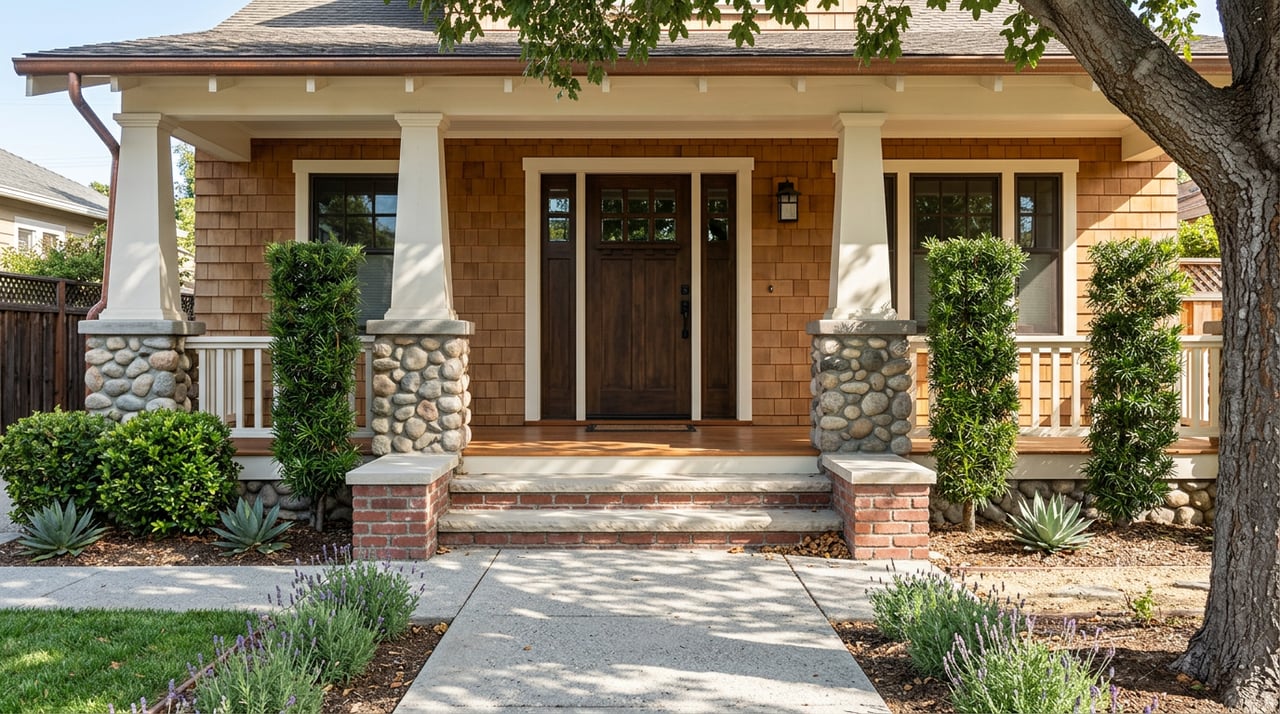
Pasadena is a high-value market where median sale prices have hovered around the low-to-mid seven figures in recent years. Buyers often pay more for intact historic character, tree-lined streets, and walkable districts like Bungalow Heaven and areas near the Arroyo. You’ll see a rich mix of American Craftsman, Spanish Colonial Revival, and some late Victorian properties.
Most of these homes were built before modern codes. Expect to vet older electrical and plumbing, unreinforced masonry chimneys, and foundations that may need retrofit. The City has detailed style and preservation guidelines you can review in the Design Guidelines for Historic Districts in Pasadena, which explain features worth preserving and what changes typically need review. You can reference the City’s guidance in the Design Guidelines for Historic Districts in Pasadena to understand common styles and work that may require review.
- Review Pasadena’s style guidance and preservation rules in the City’s Design Guidelines for Historic Districts in Pasadena. These guidelines explain common character-defining features and exterior changes that usually need review and approval. Read the City’s historic district design guidelines.
What to do before you make an offer
Buying a fixer or historic home is part education, part detective work. Use this step-by-step framework to reduce risk and sharpen your offer strategy.
Pre-offer research
Do these quick checks before you write:
- Search the permit history. Confirm what was permitted, what was not, and whether there are open or expired permits. Start with the City’s Permit Center and ePermitting resources. Check Pasadena’s Permit Center.
- Confirm historic status. Is the home individually designated or within a historic district. This affects what exterior work needs approval. The City’s design guidelines outline typical Certificate of Appropriateness triggers you should expect. Review Pasadena’s historic design guidance.
- Flag lead paint rules if the home is pre-1978. Renovations that disturb paint are regulated under federal and California programs. Plan for testing and qualified contractors. See the federal program overview.
Smart inspections in escrow
Once you’re in escrow, order inspections in a practical order. Start broad, then go deep where issues appear.
- Standard home inspection. Get a full systems review, roof notes, visible structure, and moisture signs. Ask the inspector to list any inaccessible areas so you can decide on follow-up.
- Licensed structural pest inspection. Termite damage and dry rot are common in older Pasadena homes. Lenders often request this report. Learn why WDO inspections matter.
- Structural engineer evaluation. If you see cracks, settlement, chimney separation, or you plan additions or seismic work, bring in a structural engineer. Pasadena maintains seismic retrofit programs for vulnerable buildings, which can affect scope and timing. Review the City’s seismic retrofit resources.
- Electrical specialist inspection. Older homes may have knob-and-tube wiring, undersized service, or panels that insurers dislike. If the general inspection raises flags, get a licensed electrician to scope repairs and costs.
- Plumbing and sewer due diligence. Older galvanized or cast-iron systems often need updating. Confirm the condition of the sewer line and budget for repair or replacement if needed.
- Environmental testing as needed. For pre-1978 homes, schedule lead testing. If you plan demolition or major work, add an asbestos survey with a qualified consultant. Review the federal program reference.
- Geotechnical and retaining wall checks. If the lot is sloped or you see masonry retaining walls, a soils or geotechnical review may be required for additions or major work.
Red flags to watch
If you see any of the following, plan for deeper evaluation and a revised budget:
- Horizontal or stair-step cracks in foundation walls, or wide diagonal cracks near doors and windows
- Chimneys tilting or separating from the structure
- Sagging or uneven floors, large areas of wood rot, or significant moisture in the crawlspace
- Extensive past plaster patching or ceiling repairs that may hide framing or roof issues
- Evidence of unpermitted additions or recent “lipstick” updates without matching permits
If the property is in a historic district, any exterior change visible from the street often requires a Certificate of Appropriateness. That includes windows, siding, porches, and major massing changes. Build this review step into your schedule and offer timeline.
Budget with real numbers
Set your budget using today’s regional cost context plus inspection results. Prices vary widely by scope and finish, so local bids are essential.
- Per square foot ranges. For Los Angeles-area whole-house renovations, ranges span from modest cosmetic refreshes to full reconstructions that can be several hundred dollars per square foot. Always verify with contractors who work in Pasadena. See an LA remodel cost guide.
- Cost vs value priorities. Midrange, well-targeted projects often recoup more at resale than full luxury overhauls. Exterior improvements and thoughtful kitchen and bath updates commonly show strong returns in the Los Angeles market. Scan the latest Cost vs. Value tables for Los Angeles.
Approximate single-item ranges to help frame your scope:
- Whole-house rewiring, including panel updates: about $5,000 to $30,000 or more depending on size and wall opening needs
- Foundation repairs or underpinning: about $10,000 to $50,000 or more depending on extent
- Roof replacement, period-appropriate materials: about $8,000 to $40,000 or more depending on size and material
- Termite repairs and wood replacement: about $2,000 to $40,000 or more depending on localized repairs versus structural members
- Seismic retrofit for bungalows and period homes: simple bolt-and-brace packages often start in the low five figures, while preservation-sensitive or larger homes can run tens of thousands to over $100,000
Contingency planning is key for older homes:
- For predictable scopes, budget about 10 to 20 percent contingency.
- For projects with structural, seismic, or potential lead or asbestos issues, increase contingency to 20 to 30 percent.
A simple two-step approach works well:
- Total your known repairs from inspection reports and specialty quotes.
- Add a 15 to 25 percent contingency, plus holding costs like taxes, insurance, utilities, and financing for the expected timeline.
Sample budget skeleton for a Pasadena fixer:
- Purchase price example: $1,200,000
- Known systems and structural repairs: $40,000 to $120,000
- Midrange kitchen plus one to two bath refreshes: $60,000 to $150,000
- Seismic or foundation work if needed: $15,000 to $80,000
- Roof and exterior paint or siding repair: $15,000 to $60,000
- Add contingency and carrying costs on top
If you are investing, compute an After-Repair Value and confirm that your total all-in cost, including contingency and carry, meets your target margin.
Historic rules to know
Pasadena has a strong preservation framework. If the home is a designated landmark or in a historic district, exterior changes visible from the public right-of-way typically require a Certificate of Appropriateness before you can pull building permits. The City applies the Secretary of the Interior’s Standards and district guidelines, so plan early design conversations and factor the review timeline into your schedule. Review the City’s historic design guidelines.
Considering a tax incentive. Pasadena operates a Mills Act Historic Property Contract Program that can reduce property taxes in exchange for preservation and maintenance obligations. Not every property will qualify, and applications are competitive. Read the program details and decide if the obligations align with your long-term goals. Explore Pasadena’s Mills Act program.
ADUs and rental planning
Accessory Dwelling Units can add flexibility and improve long-term yield. Pasadena allows ADUs with standards that vary by zone and historic status. In historic districts, detached ADUs often must not be visible from the public right-of-way. The City has streamlined some plan types, but check current availability and confirm what applies to your lot. Start with Pasadena’s ADU resources.
If you plan to rent, Pasadena’s Rent Stabilization regime includes just-cause rules, registration, and relocation requirements for covered units. Coverage depends on property type and construction date, so verify status before you assume a repositioning play. Review the City’s rent stabilization overview.
Practical next steps
Use this short checklist to move from interest to confident offer:
- Pull the permit history and request any prior pest, structural, and environmental reports.
- Confirm whether the home is in a landmark or historic district and identify likely exterior work that needs approval.
- Map your inspection plan. Order the general home and WDO inspections first, then add a structural engineer, electrician, plumber, and environmental testing based on findings.
- Get two to three bids for any major trade items like foundation, seismic, roofing, and full electrical or plumbing updates. For historic-sensitive work, seek a general contractor with period-home experience in Pasadena.
- Build your budget with a written scope and include a realistic contingency and holding costs.
- If you plan to rent or build an ADU, verify eligibility and rules with the City before you write the offer.
Work with a trusted advisor
Buying a Pasadena fixer or historic home is absolutely doable when you combine smart due diligence with a realistic budget and an experienced guide. If you want a second set of eyes on scope, costs, and approvals, tap a local advisor who understands both construction and negotiations. To talk through your target property or get a step-by-step plan for inspections and budgeting, reach out to Martin Avalos. You’ll get straightforward advice, practical numbers, and a purchase strategy tailored to your goals.
FAQs
What should I check before making an offer on a Pasadena fixer?
- Verify permit history, confirm historic status, and flag lead-paint rules for pre-1978 homes, then plan inspections and a budget with contingency before you write.
Which inspections are most important for older Pasadena homes?
- Start with a general home and licensed WDO inspection, then add a structural engineer, electrician, plumber, and environmental testing based on what the first reports find.
How do historic district rules affect my renovation timeline?
- Exterior changes visible from the street often require a Certificate of Appropriateness, so add design review time before permits and coordinate early with the City.
What are realistic renovation costs for Pasadena fixers?
- Costs vary widely by scope, but LA-area remodels can range from cosmetic to several hundred dollars per square foot, with major line items like rewiring, foundation, and seismic driving budgets.
Can an ADU or rental strategy improve my returns in Pasadena?
- Yes, ADUs can add flexibility and income when allowed, and rental plans must account for Pasadena’s rent stabilization rules and property-specific coverage.