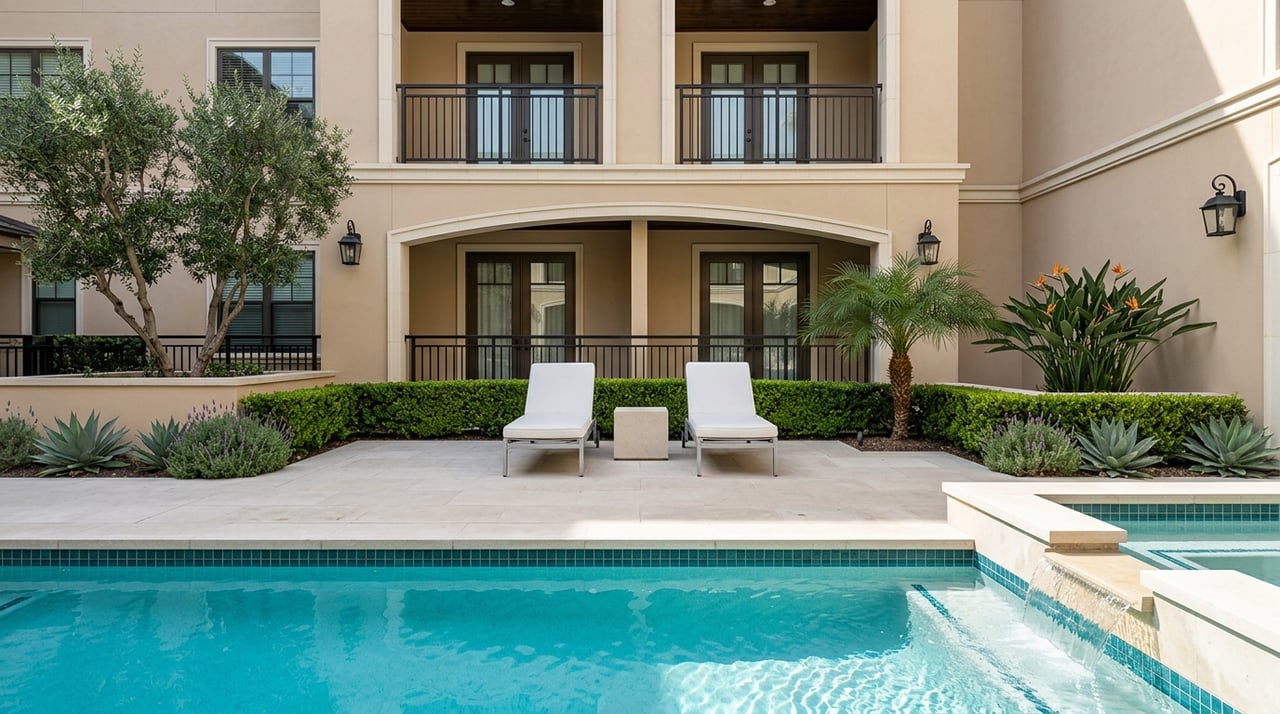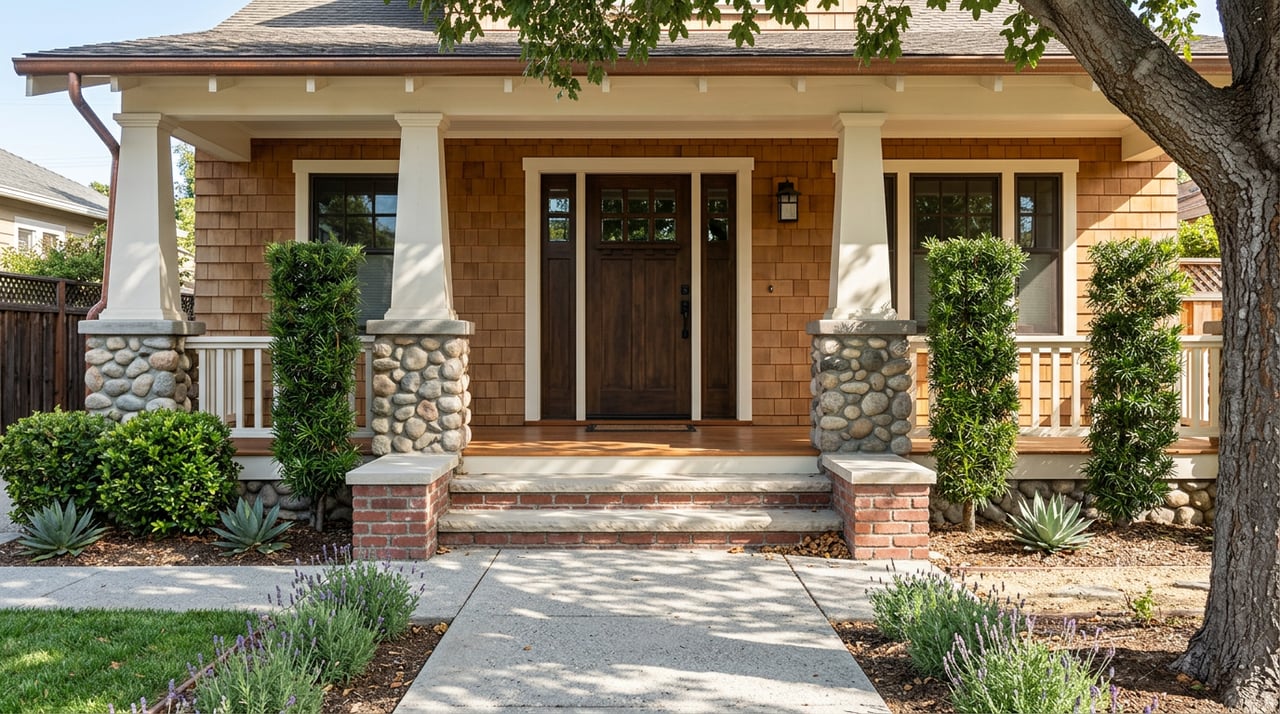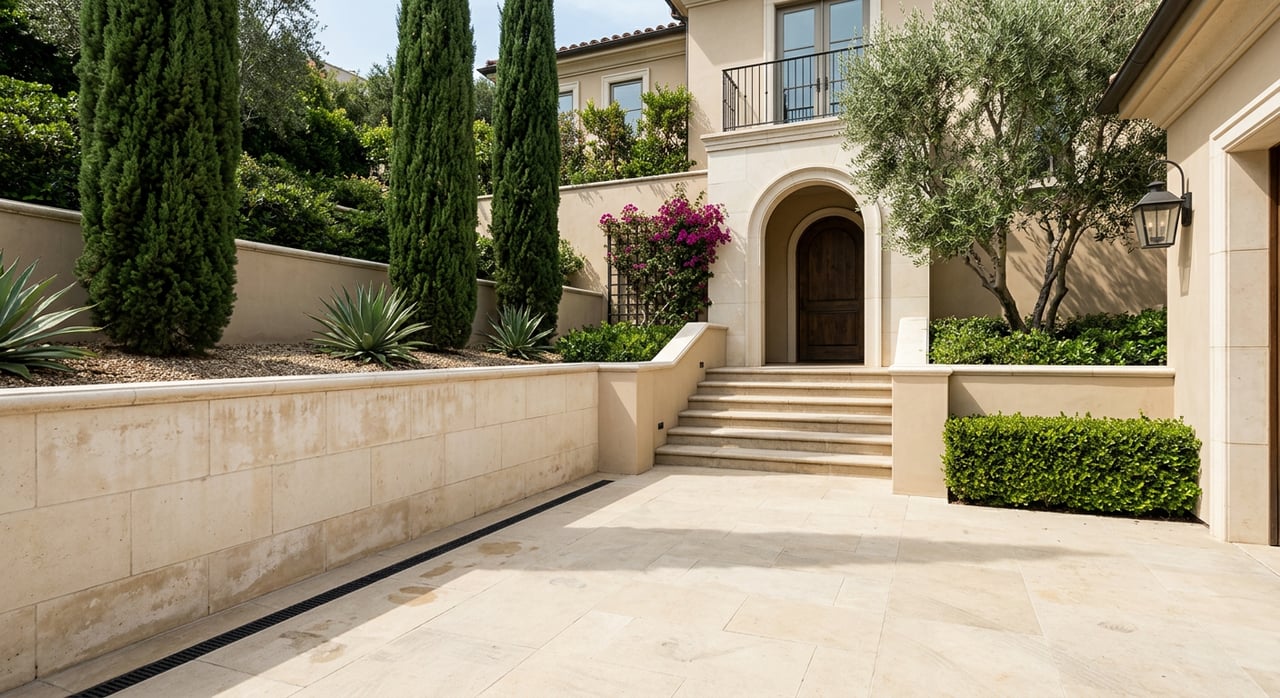
Picture your Malibu morning. Is it toes in the sand with the tide at your doorstep, or quiet canyon light over oaks and ridgelines? Both lifestyles are extraordinary, and both come with real tradeoffs that affect comfort, cost, insurance, permits, and long‑term risk. In this guide, you’ll get a clear, side‑by‑side look at oceanfront versus canyon living in Malibu so you can plan confidently. Let’s dive in.
Oceanfront lifestyle: daily feel
Living on the beach or bluff gives you uninterrupted blue‑water views, dramatic sunsets, and on‑shore breezes that keep summer days cooler. You will notice more humidity and salt in the air, which can mean more frequent exterior upkeep. Beach walks, surfing, and near‑shore recreation become part of your daily rhythm. Expect more passersby on popular stretches and occasional tourist activity near public access points.
Canyon lifestyle: daily feel
Canyon living brings greater seclusion, larger parcels, and star‑filled nights with wider temperature swings. Afternoons run warmer, nights cooler, and there is typically less salt exposure and more seasonal pollen and dust. Hiking and mountain biking are close at hand, along with generous outdoor living spaces. The tradeoff is longer, winding drives to services and schools, and more planning during fire season or after winter storms.
Oceanfront risk snapshot
- Coastal erosion and bluff retreat are central factors for beachfront and blufftop ownership. The City of Malibu’s certified Local Coastal Program sets minimum setbacks and 100‑year life standards that shape where and how you can build or remodel. Review the setback and coastal device policies in the city’s Local Implementation Plan to understand limits on armoring and bluff work. See the City’s LIP for details on bluff setbacks and shoreline policies in Malibu’s Local Coastal Program.
- Sea‑level rise and storm surge planning is standard in Malibu’s coastal review. State guidance encourages evaluating multiple sea‑level scenarios when designing or renovating near the water. Learn how California applies sea‑level guidance in the Coastal Commission’s SLR policy guidance.
Canyon risk snapshot
- Wildfire risk is higher in much of Malibu and the Santa Monica Mountains, and recent statewide fire hazard mapping has expanded high‑hazard designations. These designations influence building standards, landscaping, and insurance underwriting. Check your parcel’s current classification on the Cal FIRE Fire Hazard Severity Zones viewer.
- Post‑fire debris flows and slope instability can impact canyon properties, especially in the first rainy seasons after a burn. Parcels near channels or steep gullies warrant extra scrutiny. For context on debris‑flow assessments and when to order site studies, review the USGS guidance on post‑fire debris‑flow hazards.
- Access can change during storms, repairs, or fire recovery. Canyon roads and even sections of PCH can experience closures or one‑way controls after major weather events. To understand typical maintenance and closure patterns, see Caltrans District 7’s updates such as the Topanga Canyon project page.
Shared hazards to factor in
- Earthquakes affect both coast and canyons. Offshore and near‑shore faults can trigger slope failures or bluff collapse, so budget for site‑specific geotechnical evaluations on blufftop and steep hillside parcels.
- Flooding and tsunami exposure are relevant for low‑lying beach lots and back‑beach areas. Lenders often require flood insurance if a property sits in a FEMA flood zone. Screen any address on FEMA’s Flood Map Service Center and review effective map dates.
Ownership costs: maintenance realities
Oceanfront maintenance
- Salt spray increases wear on paint, metals, windows, and HVAC components. Expect shorter service lives for standard materials and plan for marine‑grade specifications and more frequent exterior maintenance.
- Bluff monitoring and surveys are common for blufftop homes. Some owners pursue temporary protections if permitted, but long‑term armoring is limited under local and state rules.
Canyon maintenance
- Defensible space and ongoing vegetation management are standard in Very High Fire Hazard Severity Zones. Local fire authorities outline clearance rules and conduct inspections. Explore county programs and expectations through LA County Fire’s hazard reduction guidance.
- After a wildfire, short‑term stabilization, drainage repairs, and debris‑flow measures may be needed for one to several rainy seasons.
Permits, septic, and approvals
Coastal permits and setbacks
Projects seaward of PCH, on the beach, or on bluffs typically require a Coastal Development Permit. Malibu’s LCP specifies minimum bluff setbacks, 100‑year life standards, and strict findings for shoreline protection devices. Review the city’s standards and approval pathways in the Local Implementation Plan.
Wastewater and OWTS
Beachfront and other sensitive sites often operate under Onsite Wastewater Treatment rules with specific siting, system type, and ongoing maintenance requirements. If an Advanced Onsite Wastewater Treatment System is in place, confirm operating permits and service contracts during due diligence.
Insurance and financing considerations
- Wildfire coverage can be limited in high‑hazard canyons. California’s FAIR Plan is the insurer of last resort for fire coverage and often requires an additional difference‑in‑conditions policy for broader protection. Market conditions are evolving under the state’s Sustainable Insurance Strategy, so verify options for a specific address. Start with context from the California FAIR Plan.
- Flood insurance is separate from homeowners insurance and may be required by lenders for low‑lying coastal parcels. Use FEMA’s Flood Map Service Center to check designations and effective dates.
- Earthquake coverage is also separate. The California Earthquake Authority offers residential policies with available mitigation incentives. Learn more from the California Earthquake Authority.
Which fits your lifestyle?
Choose oceanfront if you value:
- Immediate beach access and panoramic ocean views.
- Cooler marine microclimate and daily coastal recreation.
- A vibrant, visible setting where public access and tourism ebb and flow.
Choose canyon if you value:
- Seclusion, larger lots, and expansive outdoor living.
- Warmer afternoons, cooler nights, and trail access.
- A quieter setting with added planning for wildfire season.
Buyer due diligence checklist
Before you write an offer, get clear answers to these items. Many will appear in seller disclosures, but confirm with licensed pros and public tools.
- Fire hazard status and year of map used. Check the parcel on the Cal FIRE FHSZ viewer.
- Beachfront or blufftop? Request the bluff edge survey and erosion or bluff‑retreat reports. Review coastal setbacks and policy context in Malibu’s LIP.
- Flood designation and lender requirements. Look up the address on FEMA’s Flood Map Service Center.
- Canyon homes: request recent defensible‑space inspection records, any fuel‑modification plan, and confirmation of evacuation routes, including potential road constraints.
- Insurance reality check: which carriers will write a full policy, and what are current premiums and deductibles? Review baseline context at the California FAIR Plan.
- Geotechnical file: ask for recent slope‑stability and drainage reports and any post‑fire debris‑flow mitigation. For background on debris‑flow risk, see USGS guidance.
- Wastewater systems on beach properties: request OWTS or AOWTS permits, operations logs, and service contracts.
A contractor‑minded partner in Malibu
Choosing between oceanfront and canyon living should feel exciting, not overwhelming. With a general contractor background and local transaction experience, I help you evaluate site conditions, plan for maintenance, pressure‑test insurance quotes, and navigate Malibu’s permit context before you commit. If you are comparing options or want a second set of eyes on a specific property, let’s talk about a plan that fits your lifestyle and budget.
Ready to move forward with clarity? Connect with Martin Avalos to get a tailored strategy, plus schedule a Free Consultation & Instant Home Valuation.
FAQs
What should Malibu oceanfront buyers know about erosion and setbacks?
- Malibu’s Local Coastal Program requires 100‑year life bluff setbacks and restricts shoreline devices; review standards and approvals in the city’s Local Implementation Plan.
How does wildfire insurance work for Malibu canyon homes?
- In high‑hazard zones, admitted carriers may be limited; the California FAIR Plan can provide basic fire coverage, often paired with a wrap policy. See the California FAIR Plan for context.
Do I need flood insurance for a Malibu beach house with a mortgage?
- If the property is in a FEMA‑mapped flood zone, most lenders require flood insurance; check your parcel on FEMA’s Flood Map Service Center before you shop quotes.
What ongoing maintenance should I expect in Malibu canyons?
- Plan for regular defensible‑space clearing, fuel‑modification compliance, and seasonal inspections; start with LA County Fire’s hazard reduction guidance.
How do road closures impact Malibu canyon living?
- Storms, slides, and fire recovery can prompt temporary controls or closures on canyon roads and PCH; see patterns and updates in resources like Caltrans District 7’s Topanga Canyon project page.